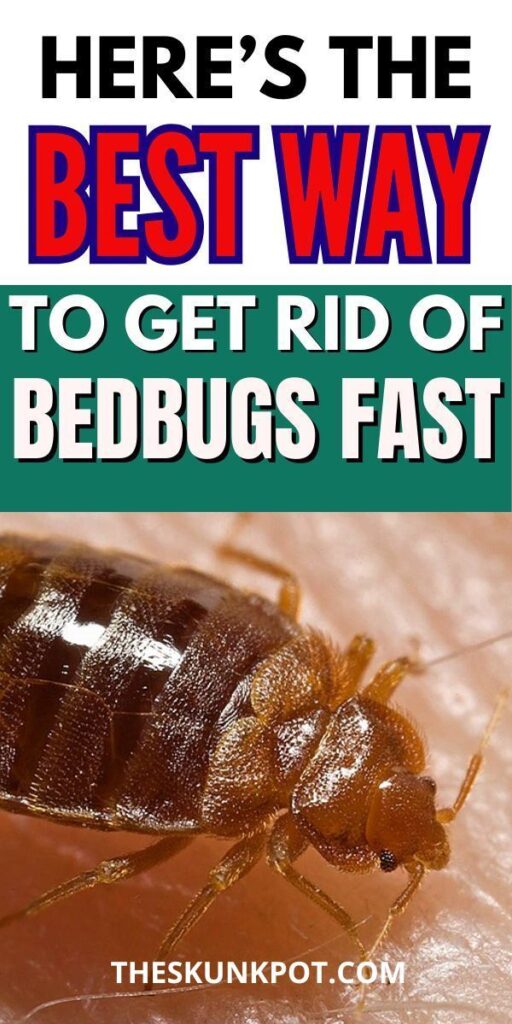
Bed bugs are notoriously difficult to get rid of, but it is possible to eliminate them without resorting to harmful chemicals. These tiny pests feed on human blood and can quickly turn a comfortable home into an uncomfortable living space. However, there are several natural methods you can use to effectively remove bed bugs from your home and prevent them from returning. Here’s how you can do it.
1. Declutter and Deep Clean
The first step in naturally eliminating bed bugs is cleaning and decluttering your living space. Bed bugs love to hide in cracks, crevices, and cluttered areas, so a thorough cleaning is essential.
- Declutter Your Home: Remove unnecessary items from the room, particularly around beds and furniture. The fewer hiding spots, the better. If possible, avoid moving items from one room to another to prevent spreading the infestation.
- Vacuum Thoroughly: Vacuum your entire home, focusing on carpets, rugs, mattresses, and upholstered furniture. Be sure to vacuum corners, cracks in the walls, and baseboards. After vacuuming, immediately empty the vacuum bag or container into a sealed plastic bag and dispose of it outside.
- Launder Bedding and Fabrics: Bed bugs are often found in bedding and linens. Wash all sheets, blankets, pillowcases, and clothing in hot water (at least 60°C or 140°F) to kill any bed bugs and eggs. Dry them on high heat for at least 30 minutes to ensure they’re completely eradicated.
2. Use Heat Treatment
Heat is one of the most effective natural ways to kill bed bugs. Bed bugs can’t survive extreme temperatures, making heat an excellent tool for eliminating them.
- Hot Water Wash: As mentioned, wash all fabrics in hot water and dry them at high temperatures. This includes bedding, curtains, cushions, and any washable clothing stored near infested areas.
- Use a Clothes Dryer: For items that can’t be washed, like shoes or stuffed animals, put them in the dryer on high heat for at least 30 minutes. This will kill bed bugs hiding in these items.
- Steam Cleaning: Steam is an excellent natural way to kill bed bugs on mattresses, furniture, and carpets. Use a steamer that can reach temperatures above 120°F (49°C) and thoroughly steam cracks, crevices, and bed bug-prone areas. Be sure to cover all surfaces and repeat the process as necessary.
3. Use Diatomaceous Earth (DE)
Diatomaceous earth is a natural, non-toxic powder that is highly effective at killing bed bugs. DE works by dehydrating the bugs, causing them to die over time.
- How to Apply: Lightly sprinkle food-grade diatomaceous earth in areas where bed bugs are likely to hide, such as along baseboards, mattress seams, under furniture, and in cracks in the walls or floors.
- Leave It in Place: Leave the DE for at least a week before vacuuming it up. Reapply as necessary until the bed bugs are gone.
- Caution: Be careful not to inhale DE while applying it, as it can irritate your lungs. Use a dust mask during application to protect yourself.
4. Essential Oils as Natural Repellents
Certain essential oils are known to repel bed bugs and can be part of your natural strategy to keep them away. While essential oils may not completely eliminate an infestation, they can help reduce the number of bed bugs and prevent new ones from settling.
- Tea Tree Oil: Tea tree oil has antimicrobial and insecticidal properties that can help combat bed bugs. Mix 20 drops of tea tree oil with water in a spray bottle and spray it on infested areas like mattresses, bedding, and furniture.
- Lavender Oil: Lavender oil is known for its calming scent, but bed bugs find it highly repellent. Mix it with water and spray around areas where bed bugs are present.
- Peppermint Oil: The strong scent of peppermint oil can deter bed bugs from settling in an area. Spray a diluted peppermint oil solution (10-15 drops in water) in crevices and along baseboards.
5. Seal Cracks and Crevices
Bed bugs love hiding in small spaces, so it’s important to seal up any cracks or crevices in your home where they could be living.
- Inspect Your Home: Check walls, floorboards, furniture joints, and bed frames for any cracks or gaps that bed bugs could be using to hide.
- Seal Gaps: Use caulk or sealant to fill any visible cracks or crevices. This will prevent bed bugs from nesting in these areas and make it harder for them to spread.
6. Use Bed Bug-Proof Covers for Mattresses and Box Springs
Investing in bed bug-proof covers for your mattress and box spring is a natural, effective method for trapping bed bugs and preventing new ones from settling.
- Encasement Covers: These specially designed covers encase your mattress and box spring completely, trapping bed bugs inside and cutting off their food supply, eventually leading to their death. They also prevent new infestations.
- Leave the Covers On: Keep the covers on for at least a year, as bed bugs can live for several months without feeding.
7. Baking Soda
Baking soda is another natural substance that can help eliminate bed bugs. It works similarly to diatomaceous earth by drying out the pests, eventually killing them.
- Sprinkle Baking Soda: Lightly sprinkle baking soda on areas where bed bugs are present, such as mattress seams, under furniture, and in cracks.
- Vacuum and Reapply: After a few days, vacuum up the baking soda and reapply as needed. While it may take a bit longer, baking soda can contribute to controlling a bed bug infestation.
8. Use a Natural Bed Bug Spray
There are several commercially available bed bug sprays made from natural ingredients that are effective at killing bed bugs without harmful chemicals.
- Look for Natural Ingredients: When shopping for a bed bug spray, look for ingredients like tea tree oil, neem oil, or other plant-based insecticides. These products are usually non-toxic and safe to use around pets and children.
- Follow Instructions Carefully: Apply the spray to infested areas as directed on the label. Natural sprays may need to be applied more frequently than chemical sprays, but they’re a safer option.
9. Prevent Future Infestations
Once you’ve gotten rid of bed bugs, it’s essential to take steps to prevent them from returning.
- Regularly Wash Bedding: Wash your bedding, pillows, and cushions regularly in hot water to keep bed bugs at bay.
- Vacuum Frequently: Make vacuuming a regular part of your routine, focusing on areas where bed bugs might hide.
- Check Second-Hand Items: Be cautious when bringing used furniture or clothing into your home. Inspect and clean any second-hand items thoroughly before bringing them inside to avoid introducing bed bugs.
Getting rid of bed bugs naturally requires persistence and a combination of cleaning, heat treatment, natural repellents, and preventive measures. By following these steps, you can eliminate bed bugs from your home without using harsh chemicals, making your home safer for both your family and the environment. With consistency and the right approach, you can reclaim your space from these unwanted pests.