Baking soda is one of the most common household ingredients used in cleaning, cooking, and homemade remedies.
But if you have noticed rats around your home, you may have come across claims that baking soda can kill them.
The idea sounds simple: mix baking soda with something rats like to eat, leave it where they travel, and let the ingredient do the work.
But does this method actually work? Is it safe? And are there better ways to deal with rats without putting children, pets, or other animals at risk?
Baking soda, also known as sodium bicarbonate, is sometimes promoted online as a homemade rat poison. The theory is that rats cannot release enough gas after consuming it.
However, there is insufficient reliable evidence to show that ordinary baking soda mixtures provide predictable or effective rat control.
If you are dealing with rats, it is better to use proven control methods rather than relying on an untested homemade remedy.
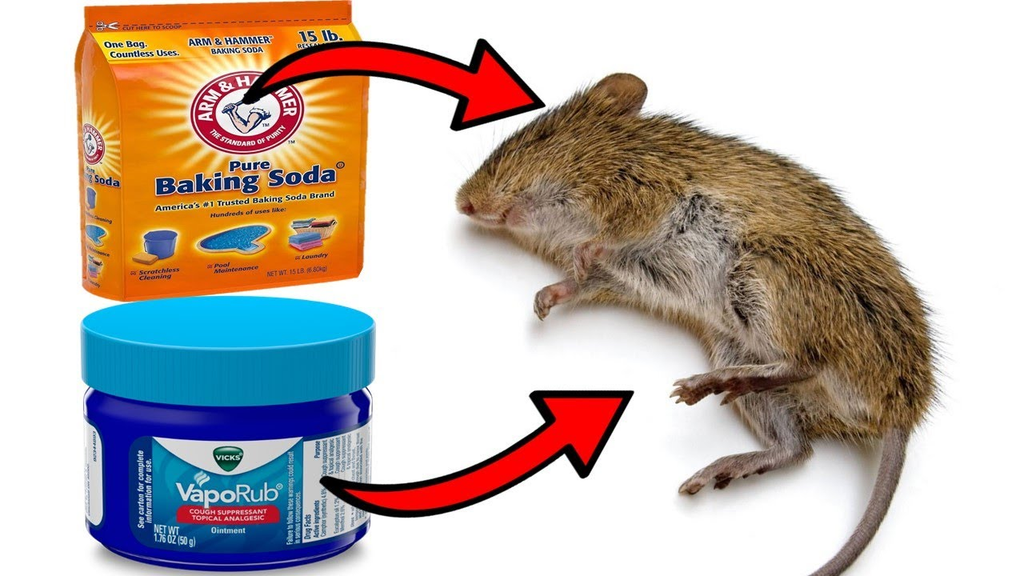
Can Baking Soda Really Kill Rats?
Baking soda is a white powder commonly used in baking and household cleaning. It reacts with acids and releases carbon dioxide gas.
Some homemade rat-killing recipes claim that when rats eat baking soda, gas builds up inside their digestive systems and eventually kills them.
This explanation is often repeated, but it oversimplifies how digestion works. The presence of baking soda in the digestive tract does not establish that a rat will experience a fatal buildup of gas.
There is also no dependable evidence showing that homemade baking soda bait consistently kills rats.
A rat may ignore the mixture, eat only a small amount, or continue finding food elsewhere. Even if it consumes some baking soda, you cannot reliably predict the outcome.
The bottom line: Baking soda should not be considered a proven rat poison. It is not a dependable substitute for registered rodent-control products or properly placed traps.
Why Do People Use Baking Soda for Rat Control?
There are several reasons this remedy has become popular.
First, baking soda is inexpensive and easy to find. Many households already have a packet in the kitchen, so people may prefer trying it before purchasing pest-control products.
Second, it is often described as a natural or non-toxic alternative to commercial rat poison.
However, natural and familiar do not automatically mean safe or effective. Baking soda can be harmful if consumed in excessive amounts, and homemade bait can expose pets, children, and other animals to ingredients they should not eat.
Another reason is that rats can be difficult to control. They reproduce quickly, hide in inaccessible spaces, and may avoid unfamiliar objects or foods.
When people are frustrated by an infestation, a simple household remedy can sound appealing.
Unfortunately, an easy recipe is not necessarily an effective solution.
Does Baking Soda Attract Rats?
Baking soda itself does not have a strong food-like smell that would normally attract rats.
The ingredients mixed with it may be more appealing.
Rats are opportunistic feeders and can eat a wide range of foods. They are often attracted to grains, seeds, pet food, leftovers, and other accessible food sources.
This is why homemade bait recipes commonly include sweet or flavorful ingredients.
However, making baking soda more appealing does not prove that the resulting mixture will kill rats. It may simply attract rodents to an area without providing reliable control.
It can also attract ants, insects, pets, or other animals depending on where it is placed.
Is Baking Soda Safe Around Pets and Children?
Baking soda is widely used in households, but that does not mean it should be left where children or animals can consume it.
Small incidental exposures are different from eating large quantities. Excessive sodium bicarbonate consumption can cause serious health problems, including electrolyte disturbances and metabolic complications.
Homemade rat bait creates additional risks because it may contain sugar, flour, peanut butter, or other ingredients that attract animals.
If you have children, cats, dogs, chickens, or other animals, avoid leaving homemade bait mixtures where they can reach them.
If a pet or child consumes a significant amount of baking soda or an unknown homemade mixture, contact a medical professional or veterinarian for advice.
What Should You Do Instead of Using Baking Soda?
If rats are entering your home, the most effective approach is to remove what attracts them, block their access, and use appropriate control methods.
Here are practical steps that can make a real difference.
1. Seal Holes and Gaps Around Your Home
Rats need an entry point to get inside. Even a relatively small opening can allow some rodents to enter.
Inspect your property carefully, especially around:
- Doors and window frames
- Pipes entering walls
- Drainage openings
- Roof edges and eaves
- Foundation cracks
- Garage doors
- Areas around electrical and plumbing lines
Pay particular attention to gaps hidden behind appliances, cabinets, and stored belongings.
Use suitable rodent-resistant materials, such as metal mesh or hardware cloth, combined with appropriate building materials to close openings.
Do not rely on ordinary expanding foam alone. Rats can chew through many soft materials.
2. Remove Food That Attracts Rats
Food availability is one of the biggest reasons rats remain around homes.
Even a clean-looking kitchen can provide food through crumbs, spilled grains, uncovered rubbish, and pet food left overnight.
Try these habits:
- Store rice, flour, cereals, and other dry foods in tightly sealed containers.
- Clean crumbs from floors and counters.
- Wash dirty dishes promptly.
- Avoid leaving pet food out overnight.
- Keep rubbish bins covered.
- Clean beneath refrigerators and cookers.
- Store animal feed in secure containers.
If rats cannot find easy food, your home becomes less attractive to them.
3. Reduce Hiding and Nesting Places
Rats prefer quiet, protected spaces where they can hide and build nests.
Cluttered garages, unused cupboards, piles of cardboard, and storage rooms can provide suitable shelter.
To reduce these hiding places:
- Remove unnecessary cardboard boxes.
- Store belongings in sturdy containers.
- Keep items away from walls where practical.
- Trim dense vegetation close to buildings.
- Remove piles of unwanted materials.
- Inspect sheds and outdoor storage spaces regularly.
Reducing clutter also makes it easier to spot droppings, gnaw marks, and other signs of rodent activity.
4. Use Properly Placed Snap Traps
Snap traps are a practical option for controlling rats inside homes.
They work by physically capturing rodents rather than relying on homemade poison mixtures.
For better results:
- Choose a trap designed for rats rather than mice.
- Follow the manufacturer’s instructions.
- Place traps along walls and near areas where you have noticed rodent activity.
- Position them away from children and pets.
- Check traps regularly and handle captured rodents using appropriate protective equipment.
Rats often travel close to walls rather than crossing open spaces. Positioning traps along their usual routes can improve the chances of success.
If you are dealing with several rats, one trap may not be enough.
5. Consider Professional Pest Control
If rats continue appearing despite your efforts, you may have a larger infestation than you realize.
A professional can help identify entry points, locate nesting areas, assess the extent of the problem, and recommend appropriate treatment.
This can be particularly useful when rats are living in ceilings, wall cavities, roof spaces, or other difficult-to-reach locations.
Professional assistance is also worth considering when you repeatedly find droppings or hear scratching noises after setting traps.
Common Baking Soda Rat-Killing Claims to Be Careful About
You may encounter several homemade recipes online. Here are some claims worth treating cautiously.
Baking Soda and Sugar
This mixture is often promoted because sugar may make bait more attractive to rodents.
However, attracting a rat does not mean the mixture will kill it. There is no dependable evidence that this recipe provides effective rat control.
Baking Soda and Flour
Flour is a food ingredient that rats may investigate, but combining it with baking soda does not create a proven rodent poison.
It may also attract insects or other animals.
Baking Soda and Peanut Butter
Peanut butter has a strong food aroma and is sometimes used as bait in rodent traps.
But mixing it with baking soda does not establish a reliable killing method. If you want to use peanut butter, follow the instructions for a suitable rat trap instead of preparing homemade poison.
Baking Soda and Cornmeal
Cornmeal is another ingredient sometimes included in homemade rodent remedies.
Like the other mixtures, there is insufficient evidence that combining it with baking soda will reliably kill rats.
What About Commercial Rat Poison?
Commercial rodenticides are designed to control rodents, but they also carry significant risks.
Some products can poison pets, children, wildlife, and other animals that come into contact with bait or poisoned rodents.
If you consider using a rodenticide, choose a legally registered product and follow its label exactly. Use approved bait stations where required, and never leave loose poison where children, pets, or non-target animals can access it.
For many household situations, a well-planned trapping and exclusion approach may be preferable.
Frequently Asked Questions
How long does baking soda take to kill a rat?
There is no reliable timeframe because baking soda has not been established as a dependable rat-killing method. Claims that it kills rats within a specific number of hours or days should be treated cautiously.
Will rats eat baking soda?
Some rats may investigate or consume food mixtures containing baking soda, especially when other ingredients are attractive. However, this does not mean they will eat enough to be harmed or killed.
Is baking soda poisonous to rats?
Large amounts of sodium bicarbonate can be harmful, but ordinary household baking soda is not a proven or reliable rat poison. It should not be used as a substitute for appropriate rodent control.
Can baking soda get rid of rats permanently?
No. Baking soda will not permanently remove rats from your property. Long-term control requires sealing entry points, removing food sources, reducing hiding places, and addressing existing rodent activity.
What household ingredient kills rats instantly?
There is no ordinary kitchen ingredient that can be recommended as a safe, reliable way to kill rats instantly. Homemade remedies are unpredictable and may create unnecessary risks for people and animals.
What is the fastest way to get rid of rats in a house?
The most practical approach is to combine proper rat-sized traps with food-source removal and sealing entry points. For a large infestation, professional pest control may be necessary.
Final Thoughts
Baking soda is useful for many household purposes, but its reputation as a homemade rat killer is not supported by strong evidence.
Recipes involving sugar, flour, peanut butter, or cornmeal may sound convincing, but they are not dependable ways to control a rat infestation.
Instead of spending time experimenting with unproven mixtures, focus on making your home less attractive to rodents. Seal gaps, store food securely, remove clutter, and use appropriate traps.
If rats keep returning or you suspect they are nesting inside walls or ceilings, consider getting professional help.
The goal is not simply to make rats disappear temporarily. It is to remove the conditions that allow them to enter, feed, hide, and reproduce around your home.