Finding fleas on your dog can quickly turn into a frustrating problem. One minute your dog is happily running around the yard, and the next, they’re scratching, biting their skin, and constantly looking uncomfortable.
Fleas are more than just annoying little insects. When left untreated, they can cause skin irritation, hair loss, allergic reactions, and other health problems. They can also spread throughout your home, making the situation even harder to manage.
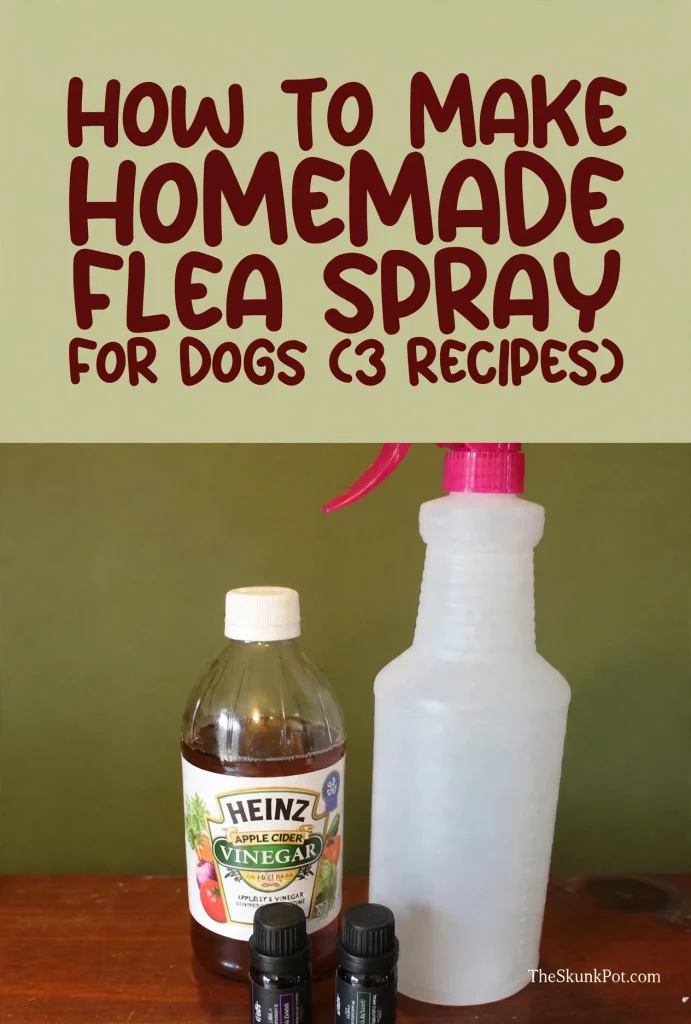
If you’re looking for a homemade flea spray for dogs, you have probably come across recipes made with apple cider vinegar, lemon, and essential oils. These ingredients are popular in natural pet-care remedies, but not every homemade recipe is safe or effective.
The good news is that there are simple ways to care for your dog’s coat, remove fleas, and make your home less welcoming to these pests.
In this guide, we’ll look at three homemade spray ideas, how to use them cautiously, ingredients to avoid, and practical ways to deal with fleas before they become a bigger problem.

Signs Your Dog May Have Fleas
Before making a flea spray, it’s worth checking whether fleas are actually causing your dog’s discomfort.
Some dogs react strongly to just a few flea bites, while others may carry fleas without showing obvious symptoms.
Here are some common warning signs:
- Constant scratching: Your dog may scratch around the neck, belly, legs, and tail area more frequently than usual.
- Excessive licking and biting: Dogs sometimes chew at their skin, particularly around their back legs and the base of the tail.
- Small black specks: These may be flea dirt, which is flea waste containing digested blood.
- Hair loss: Repeated scratching and biting can leave patches of thinning fur.
- Red or irritated skin: Flea bites can cause small red bumps, inflammation, and uncomfortable skin.
- Visible insects: Adult fleas are tiny, dark, fast-moving insects that may be seen moving through your dog’s fur.
One simple way to check is to use a flea comb, especially around the neck and base of the tail. Comb over a white paper towel and look for tiny black particles.
If you place the particles on a damp white tissue and they leave reddish-brown marks, they may be flea dirt.
If your dog has severe itching, open sores, pale gums, weakness, or a heavy infestation, contact a veterinarian rather than relying on a homemade remedy.
3 Homemade Flea Spray Ideas for Dogs
Homemade sprays are often promoted as inexpensive alternatives to commercial flea products. However, it’s important to understand that vinegar and plant-based mixtures have not been proven to eliminate flea infestations.
The following ideas are best approached as optional coat-care preparations, not flea treatments. Ask your veterinarian before applying a homemade mixture, particularly if your dog has sensitive skin.
1. Diluted Apple Cider Vinegar Spray
Apple cider vinegar is a popular ingredient in homemade pet-care recipes. Some dog owners like using diluted vinegar as an occasional coat refresher.
However, there is no reliable evidence that apple cider vinegar kills fleas or prevents an infestation.
What you’ll need:
- 1/2 cup apple cider vinegar
- 1/2 cup clean water
- A clean spray bottle
Instructions:
- Pour the apple cider vinegar into a clean container.
- Add an equal amount of water.
- Mix the ingredients thoroughly.
- If your veterinarian approves its use, test a very small area first.
- Avoid the dog’s face, eyes, nose, ears, and any irritated or broken skin.
A few things to remember:
Vinegar has a strong smell, and some dogs dislike it. It may also sting irritated skin, so never apply it to scratches, wounds, or inflamed areas.
Don’t assume that because an ingredient is commonly used in kitchens, it is automatically suitable for your pet.
2. Plain Water Coat Spray
Sometimes the simplest option is the best one, especially when your main goal is to freshen your dog’s coat without introducing unnecessary ingredients.
A plain water spray can help lightly dampen the fur before brushing. It does not repel or kill fleas, but it can be useful as part of an ordinary grooming routine.
What you’ll need:
- 1 cup clean water
- A clean spray bottle
- A soft dog brush
Instructions:
- Fill the spray bottle with clean water.
- Make sure the nozzle is clean and working properly.
- Lightly mist your dog’s coat, avoiding the face and ears.
- Brush gently to remove loose hair and dirt.
- Dry your dog properly if the coat becomes wet.
Why consider this option?
It avoids unnecessary fragrances and concentrated plant ingredients. It is also easy to prepare using things you probably already have at home.
Remember, water alone will not control fleas. Use a flea comb to physically remove fleas and discuss an effective prevention product with your veterinarian.
3. Diluted Rosemary Infusion for Coat Care
Rosemary is another plant sometimes used in homemade grooming preparations. A cooled rosemary infusion is occasionally suggested as a natural coat spray.
However, there is insufficient evidence that homemade rosemary water reliably repels or kills fleas. Its safety can also depend on the preparation and your dog’s individual sensitivities.
If you’re considering this option, check with your veterinarian first.
What you’ll need:
- A small amount of fresh rosemary
- 1 cup water
- A clean container
- A strainer
Instructions:
- Bring the water to a boil.
- Add the rosemary and remove the container from the heat.
- Allow the mixture to cool completely.
- Strain out all the plant material.
- Ask your veterinarian whether the preparation is suitable for your dog before using it.
Never apply hot liquid to your dog’s coat. Avoid the eyes, nose, mouth, ears, and damaged skin.
Also, don’t confuse a mild homemade infusion with concentrated rosemary essential oil. Essential oils are much more concentrated and can pose additional risks to pets.
Ingredients You Should Avoid in Homemade Flea Sprays
One mistake dog owners sometimes make is assuming that natural ingredients are always safe for animals.
Unfortunately, this isn’t true. Some substances that smell pleasant or work well in household cleaning products can irritate or poison pets.
Be especially careful with the following:
1. Tea tree oil
Tea tree oil is frequently recommended in online flea-remedy recipes. However, concentrated tea tree oil can cause serious poisoning in dogs. Avoid applying it directly to your dog’s skin or coat.
2. Peppermint essential oil
Peppermint oil is another popular DIY flea-repellent ingredient. Unfortunately, essential oils can be absorbed through the skin or accidentally swallowed when dogs groom themselves.
3. Citrus essential oils
Citrus oils contain concentrated compounds that can be harmful to dogs. Lemon essential oil should not be treated as equivalent to a little fresh lemon juice.
4. Pennyroyal oil
Avoid pennyroyal oil entirely. It is associated with serious toxicity and should never be used as a homemade flea treatment.
5. Undiluted vinegar
Vinegar may irritate sensitive skin, especially when applied to scratches, hot spots, or other damaged areas.
When in doubt, leave the ingredient out and ask your veterinarian before trying a new preparation.
How to Get Rid of Fleas on Dogs Without Relying on Homemade Sprays
If your dog already has fleas, spraying the coat with a homemade mixture is unlikely to solve the problem.
A better approach combines physical flea removal, effective veterinary treatment, and cleaning the areas where your dog spends time.
Here are some practical steps.
1. Use a Flea Comb
A flea comb is a simple grooming tool that helps remove adult fleas and flea dirt from your dog’s coat.
Work slowly, paying attention to the neck, belly, and area around the tail.
Keep a bowl of soapy water nearby to collect fleas removed by the comb. Comb regularly while you address the infestation.
2. Give Your Dog an Appropriate Bath
Bathing can help remove dirt, loose hair, and some adult fleas.
Use a shampoo formulated for dogs and follow its instructions. Avoid harsh household detergents and repeated bathing that could dry out your dog’s skin.
A bath alone will not provide lasting flea protection.
3. Wash Your Dog’s Bedding
Fleas don’t spend their entire lives on your dog. Eggs and developing flea stages can be found in the environment.
Wash your dog’s blankets, bedding, and washable covers regularly using an appropriate laundry cycle.
Dry everything thoroughly before allowing your dog to use it again.
4. Vacuum Carpets and Furniture
Pay particular attention to places where your dog sleeps, rests, or spends most of the day.
Vacuum carpets, rugs, upholstered furniture, and areas along the edges of rooms.
Empty the vacuum canister or dispose of the vacuum bag safely after cleaning.
Repeat this process regularly while treating an infestation.
5. Keep Your Yard Clean
If your dog spends time outside, maintain the areas where fleas are most likely to thrive.
- Keep grass trimmed.
- Remove piles of leaves and garden debris.
- Clean outdoor pet bedding.
- Reduce clutter around shaded resting areas.
- Wash outdoor blankets regularly.
These steps help make the environment less favorable for fleas.
6. Choose a Veterinary-Approved Flea Treatment
This is one of the most important steps.
Veterinary-approved flea treatments are designed to kill fleas, prevent reinfestation, or interrupt the flea life cycle, depending on the product.
Options may include oral medication, topical treatments, and other approved products.
The right choice depends on your dog’s age, weight, health, and lifestyle.
Never combine multiple flea treatments without veterinary guidance. Also, remember that some dog flea products are dangerous to cats, so keep species-specific instructions in mind if you have both pets at home.
Frequently Asked Questions About Homemade Flea Spray for Dogs
1. What is the best homemade flea spray for dogs?
There is no homemade spray proven to eliminate fleas or reliably prevent an infestation. Diluted apple cider vinegar and plain water are sometimes used in coat-care routines, but neither should replace a veterinarian-approved flea treatment.
2. Does apple cider vinegar kill fleas on dogs?
No reliable evidence shows that apple cider vinegar kills fleas or their eggs. Although it is a popular ingredient in natural flea remedies, it should not be considered a dependable flea treatment.
3. Can I spray lemon water on my dog for fleas?
Lemon water is sometimes recommended online, but citrus ingredients can cause problems for pets, particularly concentrated citrus oils and peel extracts. It is best to avoid experimenting with lemon-based flea sprays without veterinary advice.
4. Is peppermint oil safe for dogs with fleas?
Peppermint essential oil is not recommended as a homemade flea treatment. Essential oils can cause skin irritation and other toxic reactions depending on the concentration and exposure.
5. Can I use Dawn dish soap to get rid of fleas on my dog?
Dish soap may remove or kill some adult fleas during bathing, but it does not provide lasting protection or eliminate fleas developing in your home.
Frequent use may also irritate or dry out your dog’s skin. A dog-specific shampoo and appropriate flea treatment are better choices.
6. How often should I use homemade flea spray on my dog?
There is no scientifically established application schedule for homemade flea sprays. Repeated application does not make an unproven remedy more effective.
If your veterinarian approves a particular coat preparation, follow their instructions and stop using it if you notice irritation or discomfort.
7. Can fleas live in my dog’s bedding?
Yes. Flea eggs and immature stages can develop in the environment, including places where your dog sleeps and rests.
Regularly washing pet bedding, vacuuming, and treating all household pets appropriately are important parts of flea control.
8. Can homemade flea spray replace regular flea prevention?
No. Homemade sprays have not been shown to provide reliable flea prevention. If your dog is regularly exposed to fleas, ask your veterinarian about an appropriate prevention schedule.
Final Thoughts
Dealing with fleas can be exhausting, especially when your dog keeps scratching and you start finding the insects around your home.
Homemade flea sprays may sound like an inexpensive solution, but it is important to separate popular internet remedies from treatments that actually work.
Diluted vinegar, plain water, and simple grooming routines have different purposes, and none should be mistaken for a proven flea-killing treatment.
For the best results, use a flea comb, keep your dog’s bedding clean, vacuum regularly, and choose an appropriate flea treatment with help from your veterinarian.
Most importantly, avoid experimenting with concentrated essential oils or harsh ingredients on your dog’s skin. A comfortable, healthy dog is always more important than finding a quick DIY solution.
Have you ever dealt with a stubborn flea problem on your dog? Share what worked for you in the comments below.