Finding a snake in your yard, garden, or near your front door can be frightening, especially if you have children or pets.
Even if you rarely see snakes in your neighborhood, they may occasionally enter residential areas looking for food, water, shelter, or a cool place to hide.
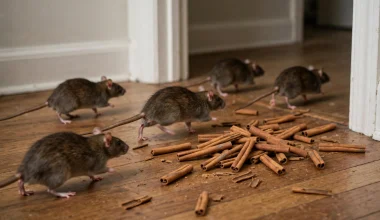
The first thing to understand is that snakes do not usually visit homes to attack people. They often move through properties because they find rodents, frogs, insects, or other prey.
They may also hide in overgrown grass, woodpiles, piles of stones, and other sheltered areas.
Fortunately, there are several practical ways to make your property less attractive to snakes without relying on harsh chemicals or homemade poisons.
The most effective natural approach is to remove hiding places, control rodents, maintain your garden, and block possible entry points.
While no method can guarantee that snakes will never visit your property, these steps can reduce the chances of unwanted encounters.
Here are 10 natural ways to keep snakes away from your home and yard.
1. Keep Grass Short and Remove Overgrown Vegetation
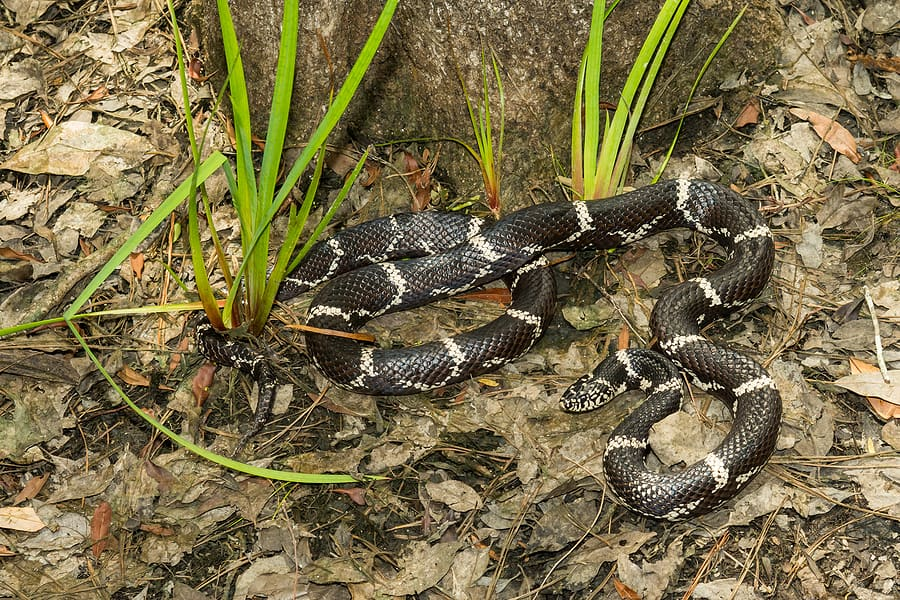
Tall grass and thick vegetation provide excellent hiding places for snakes. They allow snakes to move around without being easily noticed, particularly when there are rodents and insects nearby.
If your yard has long grass, weeds, or overgrown corners, start by clearing them.
What to do:
- Mow the lawn regularly.
- Cut down tall weeds around the house.
- Trim overgrown bushes and shrubs.
- Remove thick vegetation along fences and walkways.
- Keep the area around doors and outdoor seating spaces clear.
- Avoid allowing plants to grow against exterior walls.
Pay special attention to areas where people walk, children play, or pets spend time.
You do not need to remove every plant from your garden. Instead, maintain a clear, manageable space around the house and keep dense vegetation away from frequently used areas.
2. Remove Woodpiles, Rocks, and Other Hiding Places
Snakes prefer places where they can hide from people and predators. Piles of firewood, old bricks, stones, building materials, and unused equipment can provide exactly the kind of shelter they need.
These areas may also attract rodents, giving snakes another reason to visit.
Walk around your property and look for anything that creates dark, undisturbed spaces close to the ground.
How to make your yard less attractive:
- Remove unnecessary piles of wood and building materials.
- Clear old bricks, stones, and broken concrete.
- Dispose of unused containers and discarded equipment.
- Move stored materials away from the house.
- Keep necessary firewood raised off the ground on a suitable rack.
- Avoid stacking materials directly against exterior walls.
Wear sturdy footwear and gloves when working outdoors. Never reach blindly into a woodpile, hole, or pile of debris because a snake may be hiding inside.
If you suspect a snake is present, leave the area and contact someone trained to handle it.
3. Control Rats and Mice Around Your Home
One of the most important ways to discourage snakes is to reduce the number of rodents around your property.
Many snakes feed on rats and mice. If your home has an ongoing rodent problem, it may also attract snakes searching for an easy meal.
This is why controlling rodents can be an important part of snake prevention.
Try these practical steps:
- Store rice, maize, flour, and other food in sealed containers.
- Keep rubbish in covered bins.
- Avoid leaving food scraps outside.
- Clean up spilled animal feed.
- Remove fallen fruit from the garden.
- Seal gaps that allow rodents to enter the house.
- Use appropriate rodent-control methods when necessary.
Pay particular attention to kitchens, food-storage rooms, poultry areas, and outdoor rubbish storage.
Reducing rodents does not guarantee that snakes will disappear, but it removes one of the things that may attract them.
4. Seal Gaps Around Doors, Windows, and Foundations
Snakes can sometimes enter houses through openings around doors, windows, pipes, vents, and damaged sections of walls.
Even if your yard is well maintained, an accessible opening can allow a snake to enter a building.
Inspect the outside of your house carefully.
Areas to check include:
- Gaps beneath exterior doors
- Damaged window screens
- Cracks in walls and foundations
- Openings around plumbing pipes
- Spaces beneath roofing materials
- Uncovered drainage or ventilation openings
- Gaps around garages and storage rooms
Install suitable door sweeps, repair damaged screens, and seal appropriate gaps using durable materials.
For vents and drainage openings, use properly fitted mesh that does not interfere with ventilation or water flow.
Do not block openings that are necessary for safe ventilation. If you are unsure how to seal a particular opening, ask a qualified building professional.
5. Keep Your Garden Clean and Organized
A messy garden can provide snakes with several things they need: shelter, food, and places to move without being noticed.
Leaves, discarded containers, old furniture, unused pots, and piles of garden waste can create suitable hiding places.
A clean garden is easier to inspect and maintain.
Simple garden-cleaning tips:
- Remove piles of fallen leaves.
- Clear unwanted weeds.
- Dispose of broken flowerpots.
- Remove unused garden equipment.
- Keep pathways free of clutter.
- Store tools in a secure shed.
- Avoid leaving rubbish bags outside overnight.
If you have a compost area, maintain it properly and keep food waste contained. Compost can attract rodents and other small animals that may become prey for snakes.
You can still have a beautiful garden while reducing potential hiding places. The key is to avoid allowing dense, unmanaged areas to develop right next to the home.
6. Keep Poultry Feed and Pet Food Secure
If you keep chickens, ducks, dogs, or cats, the way you store their food can affect the number of animals visiting your property.
Spilled poultry feed and leftover pet food can attract rats and mice. These rodents may then attract snakes.
Chicken coops and animal shelters can also provide hiding places if they are cluttered or poorly maintained.
What you can do:
- Store animal feed in tightly sealed containers.
- Clean up spilled feed regularly.
- Avoid leaving pet food outside overnight.
- Keep animal shelters clean and organized.
- Remove unnecessary materials around poultry houses.
- Inspect feed-storage areas for signs of rodents.
Keep chicken coops and animal enclosures in good condition. Repair gaps and use suitable mesh to prevent unwanted animals from entering.
If you find a snake inside a chicken coop, do not try to chase or capture it. Move people and pets away and contact a trained snake handler.
7. Remove Standing Water and Improve Drainage
Snakes may visit areas where they can find water, particularly when the surrounding environment is dry.
Standing water can also attract frogs, insects, and other small animals that some snakes feed on.
Look around your yard for water collecting in old tires, buckets, broken containers, and poorly drained areas.
Try these simple changes:
- Empty unused containers that collect rainwater.
- Repair leaking outdoor taps.
- Fix leaking pipes.
- Improve drainage around the house.
- Keep water-storage containers covered.
- Remove old tires and other items that collect water.
- Maintain outdoor drains and channels.
If you have a pond or water feature, keep the surrounding area tidy and remove unnecessary piles of vegetation and debris.
These changes help reduce damp hiding places and may also discourage some of the animals that attract snakes.
8. Maintain a Clear Area Around Your House
One practical prevention method is to maintain a visible, well-kept area around the exterior of your home.
Snakes generally benefit from cover when moving around. Dense grass, piles of leaves, and objects close to the walls give them places to hide.
Create a clear space around frequently used parts of your home.
Focus on:
- The area beneath windows.
- The space around exterior doors.
- Paths leading to the house.
- Areas around outdoor kitchens.
- Spaces near children’s play areas.
- The edges of garages and storage buildings.
Keep vegetation trimmed and remove unnecessary objects from these locations.
If you have a larger property, pay special attention to the area between the house and nearby fields, bushes, or wooded sections.
You do not need to remove natural vegetation everywhere. Focus on keeping the immediate surroundings of your home open and easy to inspect.
9. Install Suitable Mesh and Fencing Where Needed
If snakes are frequently encountered around your property, physical barriers may provide additional protection.
A properly designed snake-resistant fence can help restrict snake movement into a particular area, although its effectiveness depends on the snake species, fence design, installation, and maintenance.
For smaller areas, such as children’s play spaces, you may consider a professionally installed barrier.
Things to consider:
- Use durable, appropriately sized mesh.
- Make sure the barrier reaches the ground securely.
- Avoid gaps beneath gates.
- Maintain the fence and repair damage.
- Keep vegetation and debris from building up against it.
- Ensure gates close properly.
Ordinary garden fencing is not necessarily snake-proof. Snakes can climb, squeeze through gaps, or move underneath poorly installed barriers.
If venomous snakes are common in your area, ask a qualified local professional about a suitable design rather than relying on ordinary chicken wire or decorative fencing.
10. Make Outdoor Areas Safer at Night
Some snakes are more active during certain cooler periods, including early morning and evening. Walking through an overgrown garden in poor lighting can increase the chance of accidentally encountering one.
You can reduce this risk by making outdoor areas easier to navigate.
Helpful precautions:
- Install outdoor lighting near entrances and walkways.
- Use a flashlight when walking outside after dark.
- Wear closed shoes when working in the garden.
- Avoid walking barefoot through tall grass.
- Keep pathways clear.
- Look carefully before moving outdoor equipment.
- Do not put your hands into holes or hidden spaces.
If you live in an area where venomous snakes are present, sturdy footwear and long trousers are sensible precautions when working outdoors.
Never step over a log, rock, or pile of materials without checking the other side first.
Do Natural Snake Repellents Really Work?
You may have heard that snakes hate the smell of garlic, onions, peppermint, cinnamon, cloves, vinegar, or other strong-smelling ingredients.
These suggestions are common in homemade pest-control recipes, but there is little reliable evidence that they provide dependable protection against snakes.
Some people also recommend sulfur, mothballs, or spreading chemical powders around the garden.
However, research from university extension services has found that many popular homemade snake-repellent treatments do not work reliably.
The more dependable approach is to change the environment so snakes have fewer places to hide and less food available.
Here is a closer look at some common suggestions:
| Homemade repellent | What you should know |
|---|---|
| Garlic | Not proven to reliably repel snakes |
| Peppermint oil | No dependable evidence of protection around homes |
| Cinnamon | Not a proven snake deterrent |
| Cloves | Strong smell, but effectiveness is unestablished |
| Vinegar | Not a reliable way to keep snakes away |
| Sulfur powder | Not a dependable snake-repellent method |
| Mothballs | Can expose people and pets to harmful chemicals; do not use them as outdoor snake repellents |
| Removing hiding places | A practical and recommended prevention method |
| Controlling rodents | Helps reduce a food source that may attract snakes |
Avoid homemade mixtures involving bleach, fuel, pesticides, ammonia, or other harsh chemicals. They can contaminate soil, harm animals, and create unnecessary health risks.
The bottom line: Instead of spending money on unproven snake-repellent recipes, invest your effort in keeping your property clean, reducing rodents, and sealing possible entry points.
What to Do If You Find a Snake in Your Yard
Even if you follow every prevention tip, a snake may occasionally enter your property.
If you see one, the safest thing to do is give it space.
Follow these steps:
- Stop moving toward the snake.
- Keep a safe distance.
- Do not attempt to touch, catch, corner, or kill it.
- Move children and pets away.
- Allow the snake an escape route if it can leave safely.
- Contact a trained local snake handler or wildlife authority if it remains near your home.
Do not assume a snake is harmless because it is small, still, or unfamiliar. Some dangerous species can be difficult to identify.
If a snake enters your house, keep everyone away from the room if you can do so safely. Close the door without approaching the snake, keep pets away, and seek help from someone trained to remove it.
Never try to pick up a snake, even if it appears dead. Some snakes can still bite after death through reflex action.
What to Do If a Snake Bites Someone
A suspected venomous snakebite is a medical emergency. Do not wait for swelling, pain, or other symptoms to appear before seeking help.
Take these steps:
- Move away from the snake.
- Keep the person calm and as still as possible.
- Immobilize the bitten limb.
- Remove rings, watches, or tight items before swelling develops.
- Arrange immediate transport to the nearest appropriate health facility.
- Do not waste time trying to catch or kill the snake.
Never:
- Cut the bite wound.
- Try to suck out venom.
- Apply a tight tourniquet.
- Apply ice or electric shocks.
- Rub or massage the bite.
- Use herbal remedies or traditional treatments instead of medical care.
Frequently Asked Questions
What is the best natural way to keep snakes away?
The most dependable natural approach is to remove hiding places and food sources. Keep grass short, clear wood and rock piles, control rodents, remove garden debris, and seal gaps around your house.
What smells do snakes hate?
Garlic, peppermint, cinnamon, cloves, and other strong scents are often advertised as snake repellents. However, there is no dependable evidence that these smells will keep snakes away from your property.
Does garlic keep snakes away?
Garlic is a popular ingredient in homemade snake-repellent recipes, but it has not been proven to reliably prevent snakes from entering gardens or homes. It is better to focus on removing hiding places and controlling rodents.
Does sulfur powder repel snakes?
Sulfur powder is often recommended online, but research has not established it as a dependable snake deterrent. Avoid spreading unnecessary powders or chemicals around your home, especially where children and pets play.
Do mothballs keep snakes away?
Mothballs are not a safe or reliable snake-control method. They contain chemicals intended for specific indoor pest-control uses and can be harmful if children or pets are exposed to them. Do not scatter them around your yard.
Why do snakes keep coming into my yard?
Snakes may visit because your property provides food, shelter, water, or a convenient route through the area. Rodents, frogs, thick vegetation, woodpiles, and piles of debris can all make a yard more attractive.
Can snakes climb walls?
Some snake species are capable of climbing rough walls, trees, fences, and other surfaces. This depends on the species and the surface. Do not assume that a wall or ordinary fence will keep every snake out.
Are snakes attracted to dirty houses?
Not necessarily. Snakes are more interested in available food and shelter than whether a house is clean. However, clutter, rubbish, and food waste can attract rodents and other small animals that snakes may hunt.
Should I kill a snake if I find one in my garden?
No. Trying to kill a snake can bring you dangerously close to it and increase the risk of a bite. Keep your distance and contact a trained local snake handler or wildlife authority for safe removal when necessary.
Final Thoughts
Keeping snakes away from your home does not have to involve expensive chemicals or dangerous homemade mixtures.
Start with the basics: keep your grass short, remove piles of wood and rubbish, store food securely, control rats and mice, and seal openings around your house.
These simple changes make your property less attractive to snakes while also improving general household pest prevention.
Remember that no homemade repellent can guarantee a snake-free yard. If you encounter a snake, give it space and never try to handle it yourself. When snakes are common in your area, prevention and knowing whom to contact for safe removal are especially important.