Finding fleas on your cat can be frustrating, especially when your furry friend keeps scratching, biting its skin, or licking its fur.
Even worse, fleas can quickly spread throughout your home, hiding in carpets, furniture, blankets, and other places where your cat likes to sleep.
If you’re looking for a homemade flea killer for cats, you probably want something inexpensive, easy to prepare, and safe to use around your pet.
There are several things you can do at home to remove fleas and reduce their numbers without immediately reaching for harsh chemicals.
A flea comb, regular cleaning, washing pet bedding, and a few simple household methods can help you get the problem under control.
However, it’s important to understand that not every natural flea remedy is safe for cats. Some popular ingredients, including tea tree oil, garlic, and certain essential oils, can cause serious poisoning.
In this guide, we’ll look at eight practical ways to remove fleas from cats and their surroundings, what homemade methods are safe, and which common flea remedies you should avoid.

How to Tell If Your Cat Has Fleas
Before trying any flea treatment, make sure you’re actually dealing with fleas.
Cats can pick up fleas even when they spend most of their time indoors. These tiny parasites can enter your home on other pets, clothing, or through outdoor environments.
Here are some common signs to watch for:
- Frequent scratching: Your cat may repeatedly scratch around its neck, ears, and back.
- Excessive grooming: Some cats lick or bite their fur more often when fleas irritate their skin.
- Small black specks: Flea dirt looks like tiny black or dark brown grains in your cat’s fur.
- Hair loss: Persistent scratching can cause bald patches, particularly around the back and tail.
- Restlessness: Your cat may seem uncomfortable and have difficulty relaxing.
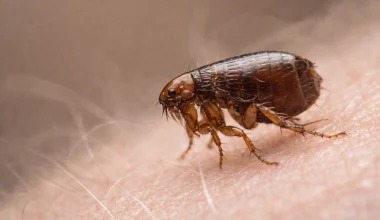
- Visible insects: You may notice tiny brown insects moving quickly through your cat’s fur.
One simple way to check for fleas is to use a fine-toothed flea comb. Comb your cat over a white towel or piece of paper. If you notice black specks, place them on a damp white tissue. Flea dirt may dissolve into reddish-brown marks because it contains digested blood.
If your cat has severe itching, irritated skin, open sores, or significant hair loss, arrange a veterinary examination.
1. Use a Flea Comb to Remove Fleas From Your Cat
A flea comb is one of the simplest and safest tools for physically removing fleas from your cat’s coat.
It has closely spaced teeth that help catch adult fleas, flea dirt, and other debris hiding between the hairs.
Unlike homemade sprays, a flea comb doesn’t require applying unfamiliar ingredients to your cat’s skin.
What you’ll need:
- A fine-toothed flea comb
- A white towel or paper
- A small bowl of warm, soapy water
- A comfortable place to groom your cat
How to use it:
- Place your cat on a comfortable surface.
- Gently comb through its fur, working in small sections.
- Pay particular attention to the neck, back, belly, and area near the tail.
- After each pass, inspect the comb for trapped fleas.
- Dip the comb into the bowl of soapy water to remove captured fleas.
- Continue until you’ve carefully checked the coat.
Be gentle around sensitive areas and avoid pulling tangled fur.
You may need to repeat this process regularly because flea combing removes existing adult fleas but doesn’t prevent new fleas from emerging.
Helpful tip: Keep your cat comfortable during grooming. If it becomes frightened or irritated, take a break and continue later.
2. Use Warm Water and Soapy Water to Trap Removed Fleas
This method is useful for dealing with fleas you’ve already removed with a flea comb.
Instead of trying to make a homemade insecticide and applying it to your cat, use a small bowl of soapy water to contain the fleas caught during grooming.
What you’ll need:
- A small bowl
- Warm water
- A little ordinary dish soap
- A flea comb
Directions:
- Fill a small bowl with warm water.
- Add a small amount of dish soap.
- Gently mix the solution.
- Comb your cat over a white towel.
- Dip the comb into the bowl whenever you catch fleas.
The soapy water helps prevent captured fleas from escaping.
Important: This mixture is for the bowl and comb only. Don’t use ordinary dishwashing liquid as a flea treatment on your cat. It isn’t a substitute for a properly formulated feline flea product and may irritate your cat’s skin.
3. Wash Your Cat’s Bedding in Hot Water
Sometimes the fleas you see on your cat are only part of the problem.
Flea eggs and immature stages can develop in the environment, especially around places where your cat regularly rests.
Your cat’s favorite blanket, sleeping cushion, and bedding can become important areas to clean.
Here’s what to do:
- Collect your cat’s blankets, washable bedding, and fabric toys.
- Check the manufacturer’s washing instructions.
- Wash suitable items using the hottest temperature the fabric safely allows.
- Dry them thoroughly.
- Clean the area where your cat sleeps.
- Repeat regularly while dealing with the infestation.
Don’t forget to check underneath cushions and around the corners of your cat’s sleeping area.
Washing bedding helps remove flea eggs, larvae, and other debris, making it an important part of controlling an infestation.
4. Vacuum Carpets and Furniture Regularly
If your cat has fleas, it’s worth paying attention to the entire house.
Flea eggs can fall off your pet and collect in carpets, rugs, furniture, and small spaces around the floor.
Vacuuming helps remove these immature fleas and reduces the number of insects developing inside your home.
Focus on these areas:
- Carpets and rugs
- Under sofas and beds
- Furniture where your cat sleeps
- Corners of rooms
- Floor edges and baseboards
- Areas underneath cushions
Vacuum thoroughly and empty the vacuum container into a sealed bag outside your home. If you use a vacuum with a disposable bag, seal and discard it appropriately.
Try to vacuum frequently while the infestation is being treated.
Remember that vacuuming alone won’t eliminate every flea. Combine it with an appropriate treatment for your cat and regular bedding washing.
5. Keep Your Cat’s Coat Clean With Gentle Grooming
Regular grooming can help you notice fleas early and remove some of the adult insects hiding in your cat’s fur.
It’s also a good opportunity to check for flea dirt, irritated skin, and areas where your cat may be losing hair.
Use a suitable cat brush or flea comb depending on your cat’s coat.
Follow these simple steps:
- Choose a quiet place where your cat feels comfortable.
- Gently brush its coat in the direction of hair growth.
- Inspect the neck, back, and tail area.
- Use a flea comb to check for insects and flea dirt.
- Clean your grooming tools after each session.
Avoid vigorous brushing if your cat has irritated skin or painful sores.
Regular grooming is helpful for monitoring fleas, but it cannot replace effective flea prevention.
6. Clean Your Floors and Favorite Sleeping Areas
Fleas don’t spend their entire lives on your cat. Eggs and immature fleas can develop in the places your pet visits regularly.
This is why cleaning your home is just as important as checking your cat’s coat.
Start by identifying the places where your cat spends most of its time.
You can then:
- Sweep hard floors regularly.
- Vacuum carpets and rugs.
- Wash washable blankets and cushions.
- Clean underneath furniture.
- Remove dust and pet hair from corners.
- Keep sleeping areas dry and clean.
If the infestation is severe, ask a veterinarian about a household flea treatment that is appropriate for homes with cats.
Never spray household insecticides directly on your cat. Keep pets away from treated areas for as long as the product label requires, and ensure surfaces are safe before allowing them back.
7. Treat Every Pet in the Household
If you have more than one cat or other pets, don’t focus on just the animal that appears to be scratching.
Fleas can move between animals, allowing the infestation to continue even after one pet has been treated.
Check every pet for signs of fleas and ask your veterinarian about an appropriate treatment for each animal.
Remember that cats and dogs have different medication requirements.
Never use a dog flea treatment on your cat. Some dog flea products contain permethrin, an ingredient that can cause severe and potentially life-threatening poisoning in cats.
Use only products specifically labeled for cats, with the correct age and weight requirements.
8. Use a Veterinarian-Approved Flea Treatment Alongside Home Cleaning
Although homemade methods can help remove fleas and clean your surroundings, they generally cannot eliminate an established flea infestation on their own.
The most reliable way to protect your cat is to use an effective flea treatment specifically designed for cats.
Depending on your cat’s age, weight, health, and circumstances, your veterinarian may recommend:
- Cat-specific topical flea treatments.
- Appropriate oral flea medications.
- Certain flea collars formulated and approved for cats.
- Preventive treatments that interrupt the flea life cycle.
Always follow the product instructions and avoid combining different flea medications unless your veterinarian confirms that the combination is safe.
This is particularly important for kittens, pregnant or nursing cats, senior cats, and cats with existing health problems.
Homemade Flea Remedies You Should NEVER Use on Cats
When searching for natural flea killers, you’ll find plenty of recipes involving essential oils, vinegar, citrus, garlic, and other household ingredients.
However, natural doesn’t automatically mean safe for cats.
Cats groom themselves frequently, meaning anything applied to their fur can potentially be swallowed.
Here are some popular remedies to avoid:
Tea Tree Oil
Tea tree oil is sometimes promoted as a natural insect repellent, but it can be toxic to cats.
Applying concentrated tea tree oil to your cat’s coat or skin can cause serious adverse reactions.
Avoid using homemade tea tree oil flea sprays, shampoos, or treatments.
Garlic
Some homemade flea recipes recommend adding garlic to pet food or applying garlic mixtures to the coat.
Don’t do this.
Garlic is toxic to cats and can damage their red blood cells. It isn’t a safe flea prevention method.
Lemon and Citrus Sprays
Citrus oils and concentrated citrus preparations can be harmful to cats.
Avoid spraying homemade lemon or orange mixtures on your cat’s fur, especially when the ingredients include concentrated essential oils.
Peppermint and Eucalyptus Oils
These oils are commonly recommended as natural insect repellents, but they can be dangerous to cats.
Avoid applying them directly to your pet or using homemade essential oil flea sprays.
Apple Cider Vinegar
Apple cider vinegar is often suggested as a flea repellent.
However, there is no reliable evidence that applying diluted vinegar to a cat will eliminate a flea infestation.
It can also irritate sensitive or damaged skin.
It’s better to focus on flea combing, cleaning your home, and using an appropriate feline flea treatment.
How Long Does It Take to Get Rid of Fleas on Cats?
Getting rid of fleas can take longer than expected because fleas have several life stages.
Adult fleas live on animals, while eggs, larvae, and pupae can be found in the surrounding environment.
Even after treating your cat, new adult fleas may continue emerging from the home environment.
For this reason, you may still notice occasional fleas after starting treatment.
The best approach is to:
- Start an appropriate flea treatment for your cat.
- Treat other household pets with suitable products.
- Wash pet bedding regularly.
- Vacuum carpets and furniture frequently.
- Continue following the flea treatment schedule.
- Ask your veterinarian about further treatment if fleas persist.
A moderate or severe infestation may take several weeks or longer to control.
Consistency is more effective than repeatedly trying different homemade remedies.
Frequently Asked Questions
What is the best homemade flea killer for cats?
There isn’t a proven homemade mixture that safely eliminates an entire flea infestation on cats. A flea comb is a useful drug-free way to remove adult fleas physically.
For effective ongoing control, use a veterinarian-approved flea treatment made specifically for cats.
Can I use Dawn dish soap to kill fleas on my cat?
Ordinary dish soap may kill some adult fleas through direct contact, but it isn’t a reliable long-term flea treatment.
It doesn’t control eggs and immature fleas in your home and may irritate your cat’s skin. Use a flea comb and a cat-specific treatment recommended by your veterinarian instead.
Does vinegar kill fleas on cats?
Vinegar is not a reliable flea killer. Although some homemade recipes recommend spraying diluted apple cider vinegar on cats, there is insufficient evidence that this eliminates fleas or prevents an infestation.
Avoid applying it to irritated skin.
How do I get rid of fleas on a kitten naturally?
Use a fine-toothed flea comb to carefully remove visible fleas and place captured fleas into soapy water.
Kittens are especially vulnerable to flea-related blood loss, so contact a veterinarian for an age-appropriate treatment.
Never use an adult cat or dog flea product without checking its age and weight restrictions.
Can fleas live in my cat’s bed?
Yes. Flea eggs and immature stages can develop in your cat’s bedding and other resting areas. Wash suitable bedding regularly, vacuum surrounding areas, and continue treating your cat appropriately.
Can indoor cats get fleas?
Yes. Indoor cats can still get fleas. These parasites may enter the home through other pets, visitors, clothing, or objects brought indoors. Regular flea prevention can help protect indoor cats.
What kills fleas and flea eggs in the house?
Thorough vacuuming and washing suitable pet bedding help remove fleas and immature stages. For persistent infestations, a veterinarian can recommend a household flea-control product containing appropriate ingredients to target developing fleas.
Always follow the label and keep cats away from treated areas as directed.
What should I do if my cat has too many fleas?
A heavy flea infestation can cause anemia, particularly in kittens and small or already unwell cats.
Contact a veterinarian promptly. Pale gums, weakness, unusual tiredness, and rapid breathing are warning signs that need urgent veterinary attention.
Final Thoughts
Finding fleas on your cat doesn’t mean you need to spend a fortune on complicated treatments. There are several simple things you can do at home to help remove fleas and reduce their numbers.
Start with a flea comb, wash your cat’s bedding, vacuum carpets, and clean the places where your pet spends the most time.
However, remember that homemade flea remedies alone are rarely enough to eliminate an established infestation.
A cat-specific flea treatment recommended by your veterinarian is the best way to protect your pet and break the flea life cycle.
Most importantly, avoid dangerous ingredients such as tea tree oil, garlic, and concentrated essential oils. Your cat’s safety should always come first.