Finding rats in your garage can be unpleasant, especially when you start noticing droppings, chewed boxes, damaged wires, or scratching sounds at night.
Garages provide ideal hiding places for rats because they often contain clutter, cardboard boxes, stored food, and quiet corners where rodents can build nests undisturbed.
Whether you have spotted a rat running across the garage floor or discovered signs of a growing infestation, it is important to deal with the problem before it spreads to other parts of your home.
The good news is that you can make your garage much less attractive to rats using a combination of cleaning, proper storage, natural deterrents, and rodent-proofing techniques.
In this guide, you’ll learn how to get rid of rats in the garage, what attracts them, which methods work best, and how to prevent them from returning.
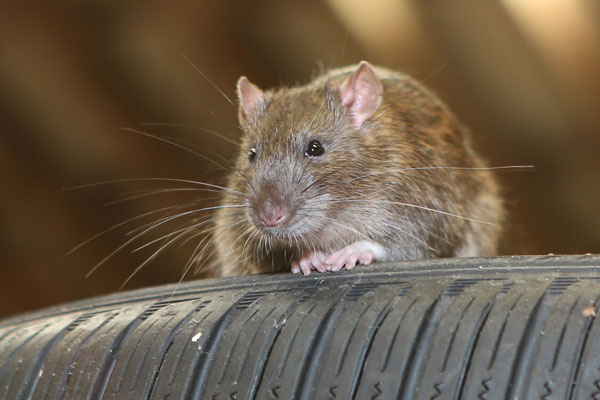
What Attracts Rats to Your Garage?
Before getting rid of rats, it helps to understand why they are entering your garage in the first place.
Rats are constantly searching for food, water, shelter, and safe places to reproduce. Unfortunately, many garages provide everything they need.
Common things that attract rats include:
- Cardboard boxes: Rats chew cardboard and may use it to build nests.
- Pet food: Open bags of dog or cat food provide an easy food source.
- Garbage: Food scraps and uncovered rubbish attract hungry rodents.
- Clutter: Piles of clothing, newspapers, and unused belongings provide hiding places.
- Water sources: Leaking pipes, dripping taps, and standing water attract rodents.
- Easy entry points: Gaps under garage doors, wall openings, and damaged vents allow rats to enter.
- Birdseed and animal feed: Stored feed can attract rats if containers are not properly sealed.
Removing these attractions is an important first step toward making your garage less appealing to rodents.
10 Effective Ways to Get Rid of Rats in the Garage
1. Clean and Declutter Your Garage
One of the easiest ways to discourage rats from living in your garage is to remove the places where they can hide and nest.
Rats prefer quiet, undisturbed areas where they can stay hidden during the day. Stacks of cardboard, old furniture, unused clothing, and piles of household belongings create excellent hiding spots.
Start by organizing your garage and removing unnecessary clutter.
Focus on:
- Discarding old cardboard boxes and newspapers.
- Removing unused fabrics and damaged furniture.
- Clearing corners and spaces behind stored items.
- Organizing tools and household supplies.
- Keeping the garage floor free of unnecessary objects.
Replace cardboard storage boxes with sturdy plastic containers that have tightly fitting lids.
Try to keep belongings on shelves instead of directly on the floor. This makes it easier to inspect the garage for droppings, gnaw marks, and other signs of rodent activity.
A clean garage is easier to monitor and less attractive to nesting rats.
2. Seal Holes and Gaps Around Your Garage
Rats can squeeze through surprisingly small openings, making even minor gaps potential entry points.
Inspect your garage carefully to identify where rodents might be getting inside.
Pay particular attention to:
- Gaps beneath the garage door.
- Cracks around the foundation.
- Openings around water pipes.
- Damaged ventilation screens.
- Spaces around electrical cables.
- Holes in exterior walls.
- Gaps around windows and doors.
Seal small openings using appropriate rodent-resistant materials such as metal mesh, hardware cloth, or metal flashing.
Install a durable garage door bottom seal to close gaps beneath the door. Check that side seals are also in good condition.
Important: Before sealing an opening, make sure you are not trapping rats inside. If you suspect an active nest, arrange removal or professional exclusion first.
Sealing entry points is one of the most effective long-term ways to prevent rats from returning.
3. Store Pet Food and Birdseed in Airtight Containers
Food is one of the biggest reasons rats enter garages.
If you store dog food, cat food, chicken feed, birdseed, or other animal feed in your garage, rats may quickly discover it.
Even small food spills can attract rodents.
To prevent this:
- Transfer pet food into sturdy airtight containers.
- Avoid leaving opened food bags on the floor.
- Clean up spilled grains and kibble immediately.
- Keep food containers on shelves.
- Avoid feeding pets in the garage.
- Remove leftover pet food after feeding.
Whenever possible, use containers made from thick, rodent-resistant materials with secure lids.
Remember that rats can chew through thin plastic, so inspect food storage containers regularly.
4. Use Peppermint Oil as a Natural Rat Deterrent
Peppermint oil is a popular natural remedy for people looking for ways to discourage rats without immediately using conventional pesticides.
Its strong scent may temporarily discourage some rodents from exploring treated areas. However, it is not a reliable standalone treatment for an established infestation.
If you want to try it, follow these steps:
- Purchase peppermint essential oil.
- Apply a few drops to cotton balls.
- Place them in accessible areas near suspected entry points.
- Replace them when the scent fades.
- Keep them away from children and pets.
You can also use peppermint-scented products according to their labels.
Avoid placing essential oils near electrical equipment, open flames, or hot surfaces.
For better results, combine scent-based deterrents with cleaning, food storage, and sealing entry points.
5. Remove Outdoor Food Sources Around the Garage
Sometimes rats are not attracted to the garage itself but to food sources surrounding it.
Outdoor garbage bins, compost piles, fallen fruits, and animal feed can attract rodents close to your property.
Once rats establish themselves nearby, they may discover openings that allow them to enter your garage.
Take these precautions:
- Use garbage bins with tight-fitting lids.
- Avoid leaving rubbish bags outside overnight.
- Clean food spills around outdoor bins.
- Remove fallen fruits from the yard.
- Store animal feed in sealed containers.
- Keep compost bins properly managed.
- Clean up food scraps around outdoor feeding areas.
If you have bird feeders, clean up spilled seeds regularly.
Reducing food availability around your garage makes your property less attractive to rats.
6. Trim Bushes and Remove Hiding Places Near the Garage
Overgrown vegetation can provide rats with shelter and hiding places close to your garage.
Dense bushes, tall grass, wood piles, and accumulated leaves can create ideal conditions for rodents.
To reduce these hiding spots:
- Trim bushes growing against garage walls.
- Cut back tall grass and weeds.
- Remove piles of leaves and garden debris.
- Store firewood away from the garage and elevated off the ground.
- Remove unused containers and outdoor clutter.
- Keep the area around the garage foundation clear.
These simple landscaping changes make it easier to spot rodent activity and reduce the number of places where rats can hide.
7. Try Ultrasonic Rat Repellents
Ultrasonic rat repellents are electronic devices designed to produce high-frequency sounds that are generally inaudible to humans.
They are marketed as a chemical-free way to discourage rats and mice from entering indoor spaces.
Some homeowners use these devices in garages, basements, storage rooms, and other areas where rodents are a concern.
However, scientific evidence for their effectiveness against established rat infestations is limited. Rats may also become accustomed to repeated sounds, and ultrasonic waves do not reliably pass through walls or objects.
If you decide to use one:
- Choose a reputable device.
- Follow the manufacturer’s installation instructions.
- Position it in an unobstructed area.
- Avoid expecting it to cover multiple rooms or blocked spaces.
- Continue using proven exclusion and sanitation methods.
Ultrasonic repellents should be treated as an optional supplement rather than your main rat-control solution.
8. Eliminate Water Sources in and Around the Garage
Rats need water to survive, and garages sometimes provide convenient sources.
A leaking pipe, dripping outdoor tap, water-filled container, or standing puddle can attract rodents.
Inspect your garage for:
- Leaking plumbing connections.
- Dripping taps.
- Water collecting beneath appliances.
- Condensation around pipes.
- Uncovered buckets containing water.
- Poor drainage near garage walls.
Repair leaks and empty unnecessary water containers.
If rainwater regularly collects near your garage, improve drainage to prevent standing water.
Although removing water alone will not eliminate rats, it helps make your garage less attractive as a permanent shelter.
9. Use Traps or Professional Removal When Necessary
If you continue seeing rats despite cleaning and sealing your garage, you may be dealing with an established infestation.
In that case, additional rodent control may be necessary.
Depending on your preferences, options include:
- Professionally installed snap traps.
- Enclosed trapping stations placed away from children and pets.
- Professional rodent exclusion.
- Specialist removal of nesting materials.
- Monitoring to identify remaining rodent activity.
If you prefer not to use traps, tell the pest-control professional and ask about exclusion-based approaches.
Avoid scattering poison around your garage. Rodenticides can harm pets and wildlife, and poisoned rats may die in inaccessible spaces.
A professional can help determine the safest and most appropriate approach for your situation.
10. Inspect Your Garage Regularly for Signs of Rats
Even after removing rats, regular inspections can help you identify new activity before it becomes a serious problem.
Look for:
- Fresh rat droppings.
- Chewed cardboard and plastic.
- Gnaw marks on stored items.
- Scratching sounds behind walls.
- Nesting materials.
- Greasy marks along walls.
- Unusual unpleasant odors.
Pay particular attention to dark corners, spaces behind shelves, and areas around garage doors.
If you discover fresh signs of activity, investigate possible entry points and address the problem promptly.
When cleaning rodent droppings, never sweep or vacuum them dry. Follow public health guidance for disinfection and use appropriate protective equipment.
Natural Smells That May Help Discourage Rats in the Garage
Some strong-smelling substances are commonly used as natural rat deterrents.
However, their effectiveness varies, and none should be considered a guaranteed way to eliminate rats.
| Smell | How it is commonly used |
|---|---|
| Peppermint | Essential oil on cotton balls near entry points. |
| Eucalyptus | Scented products used around accessible areas. |
| Cloves | Whole cloves placed in suitable containers near suspected activity. |
| Garlic | Strong-smelling garlic placed in areas where rodents are noticed. |
| Vinegar | Used for cleaning certain surfaces, not as a proven rat repellent. |
Important: These remedies may have limited or temporary effects. Do not rely on them instead of removing food sources, sealing openings, and dealing with active nests.
Signs You Have Rats Living in Your Garage
Sometimes rats can live in a garage for weeks without being seen.
Instead of spotting the animals themselves, you may notice indirect signs of their presence.
Here are some common warning signs:
1. Rat droppings: Dark, elongated droppings near walls, food storage areas, and corners may indicate rodent activity.
2. Gnaw marks: Rats chew cardboard, wood, plastic, and other materials. Look for rough marks along stored belongings.
3. Scratching sounds: Rats may move behind shelves, inside walls, or beneath stored items, particularly at night.
4. Nesting materials: Shredded paper, fabric, cardboard, and other soft materials may indicate nesting activity.
5. Greasy marks: Rats often travel along familiar paths, leaving dark rub marks where their bodies repeatedly touch surfaces.
6. Unusual smells: A strong, unpleasant odor may indicate urine accumulation or a dead rodent.
If you notice several of these signs, investigate promptly.
How to Keep Rats Out of Your Garage Permanently
Getting rid of existing rats is only half the job. You also need to prevent new rodents from entering.
Use this simple garage maintenance checklist:
- Keep the garage clean and organized.
- Replace cardboard boxes with sealed storage containers.
- Store pet food and birdseed securely.
- Seal gaps around garage doors and walls.
- Repair damaged vents and screens.
- Remove rubbish and food scraps.
- Fix leaking pipes and taps.
- Trim vegetation around the garage.
- Store firewood away from the building.
- Inspect the garage regularly for fresh droppings.
The more consistently you follow these steps, the less attractive your garage becomes to rodents.
Frequently Asked Questions
1. What is the fastest way to get rid of rats in a garage?
The best approach is to remove food sources, eliminate hiding places, identify entry points, and use an appropriate rodent removal method. For established infestations, professional pest control can help speed up the process.
2. What smells do rats hate the most?
Peppermint, eucalyptus, cloves, and garlic are commonly mentioned as rat-repellent smells. However, there is limited evidence that these scents reliably drive rats out of an infested garage.
3. Will rats leave a garage if there is no food?
Removing food can make your garage less attractive, but rats may continue using it for shelter and nesting. You also need to address entry points, water sources, and existing nests.
4. Can rats chew through a garage door?
Rats can gnaw through certain softer materials, including wood, plastic, and rubber. They may also squeeze through gaps beneath garage doors. Installing a durable door seal and repairing damaged sections can help prevent entry.
5. Does peppermint oil keep rats away from garages?
Peppermint oil may temporarily discourage some rodents because of its strong scent. However, it is not a dependable solution for an established infestation. Combine it with proper cleaning and exclusion methods.
6. Where do rats hide in a garage?
Rats commonly hide behind storage shelves, inside cardboard boxes, beneath workbenches, behind appliances, and in cluttered corners. They may also nest inside wall cavities or other inaccessible spaces.
7. How do I get rid of rats in my garage without poison?
Start by removing food sources, cleaning clutter, sealing entry points after confirming the area is clear, and using professional exclusion methods. One-way exclusion devices may be suitable where rats have identifiable exit routes.
8. Can rats in the garage damage my car?
Yes. Rats may chew vehicle wiring, insulation, hoses, and other components. They may also nest beneath the hood or inside other sheltered areas of a vehicle. Inspect your car if you notice unusual damage, warning lights, or signs of nesting.
Final Thoughts
Rats in the garage can cause more than an unpleasant mess. They can damage stored belongings, contaminate food supplies, chew electrical wiring, and eventually find their way into other parts of your home.
The best way to get rid of rats in your garage is to combine several methods rather than depend on one natural remedy.
Start by cleaning and decluttering the space, storing food in secure containers, removing outdoor attractions, and sealing potential entry points once the garage is clear.
If the infestation persists, consider professional removal and exclusion.
A clean, organized, and properly sealed garage is your best defense against rats returning.