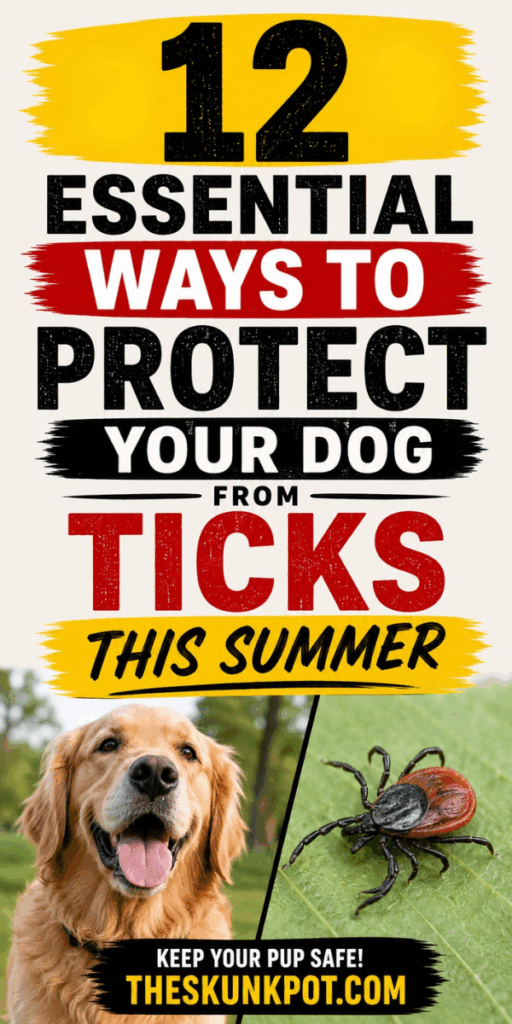
Summer brings longer days, warmer temperatures, and countless opportunities to enjoy the outdoors with your dog. From hiking scenic trails to spending afternoons at the park, the season is perfect for adventure. However, summer also marks the peak of tick activity, making it one of the most important times of the year to focus on your dog’s health and safety.
Ticks may be small, but they can pose a significant threat to dogs. These parasites feed on blood and can transmit a variety of diseases that may lead to serious health complications. Many dog owners don’t realize how easily a tick can attach during a simple walk through a grassy area. Fortunately, a few preventive habits can dramatically reduce the risk.
If you want your dog to enjoy the summer safely, these 12 essential tips will help you stay one step ahead of ticks all season long.
Why Tick Prevention Matters
Ticks are found in forests, fields, parks, gardens, and even residential neighborhoods. They wait on grass blades, shrubs, and low vegetation until a suitable host passes by. Once attached, they can remain unnoticed for days while feeding.
Some tick-borne diseases can affect a dog’s joints, nervous system, immune system, and overall well-being. Symptoms may not appear immediately, which makes prevention especially important. Protecting your dog from tick bites is often far easier than treating a disease after infection occurs.
1. Use a Trusted Tick Prevention Product
The foundation of tick protection starts with a reliable preventive treatment. Modern veterinary medicine offers several highly effective options designed to kill or repel ticks before they can cause harm.
Many dog owners choose monthly chewable tablets because they are convenient and provide consistent protection. Others prefer topical treatments that are applied directly to the skin or long-lasting collars designed to repel parasites over several months.
The best option depends on your dog’s age, size, health condition, and lifestyle. Dogs that frequently hike or spend significant time outdoors may require different protection than dogs that primarily stay in urban environments. Speaking with your veterinarian can help you choose the most appropriate solution for your pet’s specific needs.
Consistency is crucial. Missing treatments can leave gaps in protection and increase your dog’s risk during peak tick season.
2. Check Your Dog After Every Walk
One of the simplest and most effective habits is performing a quick tick check whenever your dog returns home from outdoor activities.
Ticks often crawl around the body before attaching, so finding them early can prevent problems before they start. Make a routine of running your hands through your dog’s coat while paying attention to areas where ticks commonly hide.
The ears, neck, chest, armpits, groin area, and spaces between the toes are particularly attractive locations for ticks. Dogs with long or thick fur may require a more careful inspection because ticks can remain hidden beneath the coat.
Daily checks only take a few minutes but can make a significant difference in reducing disease risk.
3. Keep Your Yard Well Maintained
Many people assume ticks are only found deep in the woods, but they can also thrive in residential yards. A poorly maintained lawn provides the perfect environment for ticks to survive and reproduce.
Regular mowing helps reduce the humid conditions that ticks prefer. Removing leaf piles, trimming overgrown shrubs, and clearing brush can also make your property less attractive to ticks and the wildlife that often carries them.
Creating a clean and open outdoor space not only improves the appearance of your yard but also reduces the likelihood of your dog encountering ticks close to home.
4. Stay on Clear Trails During Outdoor Adventures
Exploring nature is one of the joys of summer, but some areas present a higher risk than others.
Ticks are commonly found in tall grass, dense vegetation, and wooded environments where they can easily attach to passing animals. When hiking or walking, it is generally safer to stay on well-maintained paths rather than allowing your dog to roam through thick brush or overgrown fields.
Choosing clear trails doesn’t mean limiting your adventures. It simply reduces unnecessary exposure while still allowing your dog to enjoy the outdoors.
5. Consider Additional Protective Gear
For dogs that spend a lot of time outdoors, extra protective gear can provide another layer of defense against ticks. While these products should never replace veterinarian-approved prevention methods, they can complement an existing protection plan.
Tick-repellent bandanas and specially designed outdoor vests have become increasingly popular among active dog owners. Some products are treated with ingredients intended to discourage ticks from attaching during hikes or camping trips.
In certain situations, lightweight protective clothing may also help reduce skin exposure, particularly in heavily wooded regions. Dog-safe tick-repellent sprays can offer short-term protection during outdoor activities, provided they are used according to the manufacturer’s instructions.
When combined with regular tick prevention and routine inspections, these additional measures can help reduce overall risk.
6. Groom Your Dog Regularly
Regular grooming offers benefits far beyond keeping your dog looking great. It also creates valuable opportunities to detect ticks early.
Brushing your dog’s coat allows you to inspect the skin more closely and identify anything unusual before it becomes a larger issue. Long-haired breeds especially benefit from frequent grooming because parasites can easily hide beneath thick fur.
Professional grooming appointments can also provide another set of trained eyes that may notice ticks or skin irritation that owners might overlook.
A well-maintained coat makes tick detection easier and helps support your dog’s overall health.
7. Bathe Your Dog After Outdoor Activities
A bath can help remove dirt, debris, and occasionally unattached ticks that may be hiding within the coat.
While bathing alone will not eliminate all tick risks, it provides another opportunity to carefully inspect your dog’s skin. Dogs that frequently swim, hike, or play in grassy environments may particularly benefit from regular bathing during the summer months.
Using dog-friendly shampoos and maintaining a consistent grooming routine can help keep the coat clean and make future tick checks more effective.
8. Learn How to Remove Ticks Properly
Even with excellent prevention, a tick may occasionally attach to your dog. Knowing how to remove it safely is an important skill for every pet owner.
Using fine-tipped tweezers or a specialized tick removal tool, grasp the tick as close to the skin as possible and pull upward with steady pressure. Avoid twisting or crushing the tick during removal, as this may increase the risk of irritation.
After removal, clean the area thoroughly and monitor your dog for any signs of redness, swelling, or unusual behavior over the following days.
Proper removal can significantly reduce the chance of complications.
9. Protect Yourself as Well
Tick prevention should not focus solely on your dog. Humans can also be exposed to ticks during outdoor activities.
When walking in wooded or grassy areas, wearing long sleeves, long pants, and appropriate footwear can help reduce your own exposure. Performing tick checks on yourself after spending time outdoors is equally important.
Protecting both yourself and your pet creates a safer environment for everyone involved.
10. Watch for Signs of Tick-Borne Illness
Despite preventive efforts, it is still important to remain alert for symptoms that could indicate a tick-related illness.
Changes in energy levels, appetite loss, limping, stiffness, fever, or unusual behavior should never be ignored. Some diseases may develop gradually, making early recognition especially valuable.
If you notice concerning symptoms, contact your veterinarian promptly. Early diagnosis often leads to better treatment outcomes and a quicker recovery.
11. Keep Wildlife Away From Your Property
Wild animals play a major role in spreading ticks. Deer, rodents, rabbits, and other wildlife frequently carry ticks into residential areas.
Reducing attractants around your property can help limit visits from these animals. Securing trash bins, removing food sources, and maintaining fencing may reduce wildlife activity near areas where your dog spends time.
The fewer tick-carrying animals that visit your yard, the lower the overall risk for your pet.
12. Schedule Regular Veterinary Checkups
Routine veterinary visits remain one of the most effective ways to support your dog’s long-term health.
Your veterinarian can recommend prevention strategies based on local tick populations, evaluate your dog’s overall condition, and address any concerns before they become serious problems.
Annual or seasonal checkups provide an opportunity to discuss changes in tick activity, review preventive medications, and ensure your dog remains fully protected throughout the year.
Final Thoughts
Summer should be a season of fun, exploration, and unforgettable adventures with your dog—not a season of worrying about ticks.
By combining preventive treatments, regular inspections, proper grooming, smart outdoor habits, and routine veterinary care, you can dramatically reduce your dog’s risk of tick exposure. No single method provides perfect protection on its own, but together these strategies create a strong defense against one of summer’s most common threats.
A few extra minutes of prevention today can help keep your dog healthy, comfortable, and ready for every adventure that summer has to offer.