
If you make coffee every morning, you probably throw away a handful of used coffee grounds without giving them a second thought.
But before you toss them into the trash, consider this: those leftover grounds can be useful for several household projects, simple crafts, and garden activities.
Used coffee grounds have a gritty texture, a naturally dark color, and organic material that can be useful in compost.
Depending on how you prepare and store them, they can also help with everyday cleaning, absorb some unwanted odors, and create beautiful brown tones for DIY projects.
Of course, not every popular coffee ground trick works as well as people claim. They are not a miracle fertilizer, a guaranteed pest repellent, or a solution for every household problem.
The key is knowing which uses are practical and how to use the grounds without creating new problems.
Here are 20 creative ways to reuse used coffee grounds instead of throwing them away.
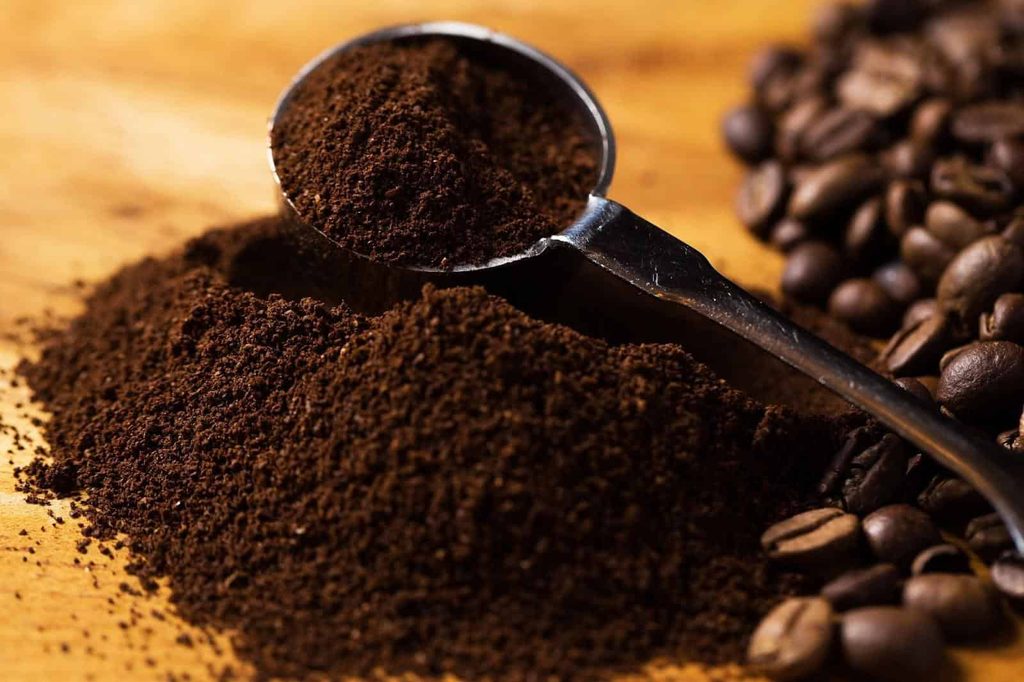
1. Add Used Coffee Grounds to Your Compost Pile
One of the most practical ways to reuse coffee grounds is to add them to your compost pile. Instead of sending them to the landfill, you can turn them into part of a useful soil amendment for your garden.
Coffee grounds are considered a green compost material because they contain nitrogen. A healthy compost pile also needs brown materials, such as dry leaves, shredded cardboard, and untreated paper, to provide carbon and help maintain airflow.
How to do it:
- Allow the used coffee grounds to cool completely.
- Add them to your compost bin along with fruit and vegetable scraps.
- Mix in dry leaves, shredded cardboard, or other suitable brown materials.
- Turn the pile occasionally and keep it moist but not waterlogged.
- Allow the materials to break down before using the finished compost.
Try not to let coffee grounds form a thick, compacted layer. For a balanced compost mixture, Washington State University Extension recommends keeping coffee grounds to no more than about 20% of the compost pile by volume.
2. Use Finished Coffee-Ground Compost in Your Garden
Once coffee grounds have broken down as part of a balanced compost pile, the resulting compost can be useful in flower beds and vegetable gardens.
Composted coffee grounds contribute organic matter to the soil. Organic matter can help improve soil structure and support the organisms involved in nutrient cycling.
How to use it:
- Mix finished compost into the soil before planting.
- Add a modest amount around established flowers or vegetables.
- Combine it with other compost materials rather than relying on coffee grounds alone.
- Follow the needs of your plants and soil instead of assuming every plant needs extra nutrients.
Avoid pouring piles of fresh coffee grounds directly around seedlings or delicate plants. Fresh grounds can interfere with germination and plant growth, and thick layers may restrict the movement of air and water through the soil.
Also, do not assume coffee grounds will reliably make your soil more acidic. Their effect on soil pH varies, so a soil test is a better way to determine whether you need to change acidity.
3. Try Coffee Grounds as Part of a Light Mulch Layer
If you have extra coffee grounds and want to experiment in the garden, you can use a small amount as part of a mulch layer. The important thing is to avoid spreading them thickly over bare soil.
Fine coffee grounds can stick together when wet and form a compact layer. This may make it harder for water and air to move through the soil.
How to do it more carefully:
- Allow the grounds to cool.
- Spread only a very thin layer over suitable garden soil.
- Cover it with coarser organic mulch, such as wood chips or dry leaves.
- Watch how water moves into the soil and reduce the amount if the surface becomes compacted.
For most home gardeners, adding used grounds to compost first is the simpler option. It allows the grounds to break down alongside a variety of other organic materials.
4. Help Absorb Unwanted Refrigerator Odors
A refrigerator can develop unpleasant smells when food spills, leftovers sit too long, or strong-smelling ingredients are stored without proper covers.
Dry coffee grounds are sometimes used as a simple odor absorber. They may help reduce some lingering smells, although they will not remove the source of a bad odor.
What you need:
- A small, clean bowl
- Completely dry used coffee grounds
Instructions:
- First, remove spoiled food and clean any spills in the refrigerator.
- Spread the used grounds on a plate or tray until they are completely dry.
- Place them in a small open bowl at the back of the refrigerator.
- Replace them regularly, especially if they become damp or develop an unusual smell.
Keep the bowl away from food that could spill into it. Never use grounds that already show signs of mold.
5. Freshen Up a Smelly Trash Bin
Even when you empty the trash regularly, the bin itself can hold onto unpleasant smells from food scraps, packaging, and liquid spills.
Before using coffee grounds, wash the bin with soapy water and let it dry. This removes the material that causes the smell in the first place.
For an extra step, place a small amount of thoroughly dried coffee grounds inside a breathable sachet or a container that prevents loose particles from spilling. Keep it near the bin rather than mixing wet grounds into the garbage.
Replace the sachet whenever the grounds lose their usefulness or begin to smell musty.
Important: Do not use damp coffee grounds in a closed trash bin. They can encourage mold growth, particularly in warm or humid conditions.
6. Reduce Unpleasant Odors in Shoes
Shoes can develop strong odors after a long day of walking, exercising, or working in hot weather. The smell often comes from moisture and bacteria associated with sweaty feet.
Coffee grounds may help absorb some odors, but they should never be placed loose inside your shoes.
Try this simple method:
- Dry the used coffee grounds completely.
- Put a small amount into a breathable fabric pouch.
- Secure the opening so no grounds can escape.
- Place the pouch inside the shoes overnight.
- Remove it before wearing the shoes.
Do not put wet grounds directly into footwear, and do not rely on coffee grounds to treat a persistent foot odor caused by a skin condition. Let shoes dry thoroughly between uses and wash removable insoles when the manufacturer’s instructions allow it.
7. Make a Simple Deodorizing Sachet for Your Gym Bag
Gym bags can become unpleasant because of damp towels, workout clothes, and sweaty shoes. A small coffee-ground sachet may help with lingering odors, especially after you have cleaned and dried the bag.
To make one, place completely dry grounds inside a breathable fabric pouch and tie it securely. Keep the pouch in an outer pocket or a separate compartment.
For the best results, empty the bag after every workout, remove damp clothing promptly, and allow the bag to air out. The sachet is only an extra measure; it will not make a dirty or damp bag fresh on its own.
8. Use Dried Coffee Grounds to Freshen Your Car
Car interiors can hold onto smells from food wrappers, spilled drinks, pets, and damp floor mats. If you enjoy finding uses for everyday household materials, a coffee-ground sachet is an inexpensive option to try.
Here’s how:
- Dry the used coffee grounds completely.
- Put them inside a small breathable pouch.
- Tie the pouch tightly so the grounds cannot spill.
- Store it in a stable location, such as a door pocket or storage compartment.
Keep the pouch away from pedals, airbag areas, hot surfaces, and anything that could interfere with safe driving. Never leave loose coffee grounds on the dashboard or seats, where they may stain the upholstery.
If the car has a persistent musty smell, check for damp carpets, leaks, or dirty cabin filters rather than simply masking the odor.
9. Freshen a Closet or Storage Area
Closets, drawers, and storage boxes can develop stale smells when clothing is packed away before it is completely dry or when airflow is limited.
A small sachet containing dry coffee grounds may help reduce some odors. It can also add a mild coffee scent, although the strength varies.
To try it, fill a breathable pouch with fully dried grounds, seal it securely, and place it in a corner of the closet. Keep it away from delicate fabrics and light-colored clothing because coffee can leave brown stains if the grounds spill or become damp.
For long-term freshness, clean the storage area, avoid overcrowding, and make sure clothes are completely dry before putting them away.
10. Remove Garlic and Onion Smells From Your Hands
Chopping garlic and onions can leave a stubborn smell on your fingers even after washing them.
The texture of coffee grounds makes them tempting to use as a hand scrub. However, coarse particles can irritate sensitive or cracked skin, so a gentler option is usually better.
If you want to try this method, use a tiny amount of moist grounds to rub gently over your palms for a few seconds, then wash thoroughly with soap and water. Do not scrub hard, and avoid using the grounds on cuts, irritated skin, or around your eyes.
You can also rub your hands against stainless steel under running water, or use ordinary dish soap to remove lingering cooking odors.
11. Scrub Stubborn Residue From Suitable Pots and Pans
The slightly gritty texture of used coffee grounds can help loosen some stubborn residue from sturdy cookware. This may be useful when you have a pot with dried food stuck to the bottom.
How to use them:
- Let the cookware cool completely.
- Add warm water and a little dish soap.
- Sprinkle a small amount of coffee grounds onto the stubborn residue.
- Rub gently with a suitable sponge or brush.
- Rinse thoroughly and wipe any remaining particles into the trash.
Use this method only on cookware that can tolerate abrasive cleaning. Avoid nonstick coatings, delicate finishes, polished surfaces, and anything that scratches easily.
Do not wash large amounts of coffee grounds down the sink. Grounds can accumulate in plumbing, especially when combined with grease and other debris.
12. Make Fireplace Ash Cleanup Less Dusty
If you have a wood-burning fireplace, cleaning out completely cooled ash can create a cloud of fine dust.
A traditional cleanup trick is to sprinkle a small amount of damp material over the ash to help weigh it down before sweeping. Used coffee grounds may serve this purpose, but they are not essential; slightly dampened material recommended for your fireplace or stove is another option.
If you try coffee grounds:
- Make absolutely sure the fireplace and ashes are completely cold.
- Use only a small amount of damp grounds.
- Sprinkle lightly over the ash instead of creating a wet pile.
- Sweep gently and collect the material for appropriate disposal.
Never put coffee grounds onto warm embers or hot ash. Avoid creating a soggy mess, and follow your fireplace manufacturer’s cleaning and disposal instructions.
13. Make Natural Brown Dye for Paper
Used coffee grounds are great for simple craft projects because they can leave paper with a warm, aged-looking brown color.
This is an easy activity for scrapbooking, journaling, homemade cards, and decorative paper.
You will need:
- Used coffee grounds
- Water
- A small saucepan or heat-safe container
- A strainer
- Plain paper
Instructions:
- Add the grounds to water and simmer gently for several minutes.
- Let the mixture cool.
- Strain out the grounds so the liquid is relatively smooth.
- Brush the liquid over plain paper or dip the paper briefly into it.
- Lay the paper flat and let it dry completely.
For a more even finish, use a sponge or soft brush and apply the liquid in thin layers. Test a scrap of paper first because different paper types absorb liquid differently.
Keep the paper away from important documents, since coffee dye can stain permanently.
14. Give Fabric a Soft, Vintage Brown Tint
Coffee can be used to tint certain fabrics, creating a subtle, natural-looking brown shade. It is particularly suitable for small craft projects, fabric decorations, and items where an uneven, handmade finish is welcome.
How to do it:
- Wash the fabric to remove dirt, oils, and product residue.
- Brew a strong liquid dye using water and used coffee grounds.
- Strain the liquid thoroughly.
- Place the fabric in the cooled dye bath.
- Stir occasionally and check the color until it reaches the shade you want.
- Rinse carefully and allow the fabric to dry.
Results depend on the fabric’s fiber content, its original color, and the strength of the dye. The tint may fade with repeated washing, and coffee can stain nearby surfaces.
Test a small hidden area first. This method is best for decorative projects rather than items that need a durable, washfast color.
15. Color Decorative Eggs With Coffee
Coffee can give eggshells and craft eggs a natural-looking tan or brown color. This is a useful idea for Easter decorations, seasonal displays, or homemade ornaments.
For a simple project, prepare a strong coffee liquid from the grounds, strain it, and allow it to cool. Place clean, hard-boiled eggs in the liquid for a short time, checking their color as they soak.
If you are decorating eggs for eating, use clean food-safe equipment, keep the eggs refrigerated, and follow normal food-safety guidance. Do not use eggs that have been left out for too long.
For a craft project, you can also use empty, clean eggshells or suitable artificial eggs. These can be displayed without worrying about consuming them afterward.
16. Create an Aged Look for Greeting Cards and Craft Paper
If you enjoy journaling, scrapbooking, or making homemade gifts, coffee grounds can help you create a vintage-style finish without buying special craft dye.
Instead of rubbing loose grounds onto the paper, use the strained coffee liquid described above.
Brush it lightly along the edges of paper, cards, or gift tags to create an aged effect. For a more uneven appearance, apply a little more liquid in selected areas and less in others.
Let everything dry completely before writing on it, adding glue, or stacking the finished pieces. Wet paper can wrinkle, and leftover coffee particles may leave unwanted specks.
This technique works particularly well for decorative letters, handmade labels, and rustic gift packaging.
17. Help Conceal Small Scratches on Dark Wood
A small scratch on dark wood furniture can sometimes become less noticeable when its lighter surface contrasts with the surrounding finish.
Coffee grounds may temporarily tint a minor mark, but they will not repair the wood or restore a damaged protective coating.
Before trying it:
- Clean the area and let it dry.
- Test the method on a hidden section of the furniture.
- Use a very small amount of damp coffee grounds on a soft cloth.
- Dab lightly at the scratch rather than rubbing the entire surface.
- Wipe away all residue immediately.
This is only an experimental cosmetic trick. It may leave a stain or uneven color, especially on sealed, lacquered, or valuable furniture. For antiques or expensive pieces, use a furniture touch-up product intended for that finish.
18. Add Used Grounds to Homemade Soap
If you make soap at home, a small amount of coffee grounds can add texture and a coffee-inspired appearance. The grounds can act as a physical exfoliant, but too much may make the soap unpleasantly rough.
A simple option is to use a ready-made melt-and-pour soap base rather than working with caustic ingredients.
Basic approach:
- Choose a suitable soap base and follow its instructions.
- Allow the used grounds to dry completely before adding them.
- Mix in a very small amount so the finished bar is not overly abrasive.
- Pour into a suitable mold and let it set according to the base instructions.
Keep the amount modest and avoid using the finished soap on broken, irritated, or highly sensitive skin.
If the grounds are damp or stored improperly, they may introduce moisture and contamination, so fresh, properly dried material is important.
19. Make a Gentle Coffee Body Scrub
Some people use coffee grounds in homemade body scrubs because their texture can help remove loose surface flakes of skin.
If you choose to try this, keep the scrub gentle and avoid treating it as a remedy for cellulite, dark spots, or other skin conditions.
A simple version:
- 1 tablespoon of finely textured, completely dry coffee grounds
- 1 tablespoon of a plain, skin-compatible oil
Mix the ingredients immediately before use. Massage a small amount very gently onto a small area of damp skin, then rinse thoroughly.
Do not use this mixture on your face, around your eyes, on broken skin, or after shaving if your skin is irritated. Coarse grounds can cause micro-irritation, and fragranced oils or other additives may trigger reactions.
Be careful in the shower, too. Oils can make surfaces slippery, and coffee grounds may contribute to clogged drains.
Collect the used mixture and dispose of it in the trash rather than washing large amounts down the drain.
20. Explore Coffee Grounds as a Mushroom-Growing Material
For people interested in growing mushrooms at home, spent coffee grounds can sometimes be used as part of a growing substrate for suitable mushroom species, such as oyster mushrooms.
This is a more advanced project than the other ideas in this list. Coffee grounds are moist and nutrient-rich, which can also make them a good environment for unwanted molds and bacteria if they are handled incorrectly.
If you want to experiment, use a reliable mushroom-growing guide that explains substrate preparation, sanitation, suitable mushroom cultures, moisture levels, and contamination control.
Do not simply leave a bucket of used grounds in a warm corner and expect mushrooms to grow safely.
For beginners, a commercial mushroom-growing kit is usually easier and more predictable. If you do use coffee grounds, only keep material that is fresh and free from mold or unusual odors.
How to Store Used Coffee Grounds for Reuse
The best way to store used coffee grounds depends on what you plan to do with them.
For immediate use: Let the grounds cool before adding them to compost or using them in a cleaning project.
For crafts and odor-absorbing sachets: Spread the grounds in a thin layer on a tray and let them dry completely. Once dry, store them in a clean, dry container.
For gardening: Add fresh grounds to your compost pile rather than storing large quantities of damp grounds indoors.
For skin or soap projects: Use clean, properly dried grounds and prepare small batches. Do not use material that has been sitting wet for days or has developed mold.
If the grounds smell musty, look moldy, or have been stored damp in a sealed container, discard them. Reusing household waste is only worthwhile when it can be done cleanly and safely.
What You Should Avoid Doing With Used Coffee Grounds
Coffee grounds are useful in some situations, but a few popular claims deserve caution.
- Do not rely on them to repel pests. There is no strong scientific evidence that scattering coffee grounds reliably keeps ants, slugs, cats, or other pests away.
- Do not apply thick layers directly to garden soil. Fine grounds can compact and interfere with water and air movement.
- Do not pour them down the drain. They can accumulate in plumbing, especially when mixed with grease.
- Do not use them as a harsh facial scrub. Coarse particles may irritate delicate skin.
- Do not store damp grounds for long periods. They can grow mold, particularly in warm environments.
- Do not assume they replace fertilizer. Composting is generally a more dependable way to make use of their organic matter.
The University of Connecticut Extension and Washington State University Extension provide additional guidance on using coffee grounds in gardens and compost. Their recommendations emphasize moderation and avoiding compacted layers of grounds.
Frequently Asked Questions
Can you reuse coffee grounds more than once?
Yes, but it depends on the purpose. For crafts, composting, and some household projects, the grounds may still be useful after brewing. They will have less coffee flavor and aroma than fresh grounds, and their suitability depends on how cleanly they have been handled and stored.
Do used coffee grounds help plants grow?
They can contribute organic matter when added to a balanced compost pile. However, fresh grounds are not a complete fertilizer, and using too much directly around plants can interfere with growth. Compost them with other materials before applying the finished compost to your garden.
Do coffee grounds get rid of ants, slugs, or other pests?
Do not count on them as a reliable pest-control method. Research-based gardening guidance does not support the widespread claim that coffee grounds consistently repel or kill common garden pests. For a pest problem, identify the species and use an appropriate control method.
Can used coffee grounds go down the kitchen sink?
It is best to put them in the trash or compost rather than washing them down the drain. Grounds can build up in pipes, particularly when grease and food residue are present.
How do you know if used coffee grounds have gone bad?
Look for visible mold, a musty smell, or unusual changes in appearance. Damp grounds stored in a closed container are especially prone to spoilage. When in doubt, discard them rather than using them in crafts, on your skin, or in your home.
Are used coffee grounds good for every type of plant?
No. Plants have different soil and nutrient needs, and coffee grounds do not reliably acidify soil. Use finished compost in moderation and avoid applying fresh grounds directly to seedlings or sensitive plants.
Final Thoughts
Used coffee grounds do not have to go straight into the trash. With a little planning, you can reuse them in compost, experiment with natural dyes, freshen certain household spaces, or try a few simple DIY projects.
The easiest place to start is your compost pile. If you do not garden, try drying a small amount for a deodorizing sachet or using the strained coffee liquid for a paper craft.
Just remember that not every internet tip is worth trying. Use coffee grounds in moderation, keep damp material from developing mold, and avoid putting loose grounds down the drain.
Which of these 20 ways to reuse coffee grounds would you try first? You might be surprised by how much use you can get from something you used to throw away.

