
Hydrangeas are among the most beautiful flowering shrubs you can grow in a garden. Their large, colorful flower clusters can transform an ordinary outdoor space into something special.
Whether you prefer blue, pink, purple, or white blooms, keeping hydrangeas healthy and encouraging abundant flowers is something every gardener wants.
You may have heard that baking soda can help hydrangeas grow better, improve flowering, or even change their flower color. This inexpensive household ingredient is frequently mentioned in gardening tips, but does it actually work?
The answer is more complicated than many gardening hacks suggest.
Baking soda has certain properties that can affect soil chemistry, but it is not a recommended fertilizer or soil treatment for hydrangeas. Using too much can introduce unwanted sodium into the soil and potentially interfere with healthy plant growth.
In this guide, you’ll discover what baking soda does to hydrangeas, whether it can change their flower colors, what risks to avoid, and which gardening methods are better for producing beautiful blooms.
Can You Use Baking Soda for Hydrangeas?
You can find many gardening discussions recommending baking soda for hydrangeas, particularly as a way to make blue flowers turn pink.
However, baking soda is not a proven or reliable treatment for improving hydrangea growth or changing flower color.
Baking soda, also known as sodium bicarbonate, is an alkaline substance. Because soil acidity influences hydrangea flower color, some gardeners assume that adding baking soda will make the soil alkaline enough to produce pink flowers.
Although the reasoning sounds simple, changing soil conditions is not that straightforward.
Hydrangea flower color depends on several factors, including the plant variety, soil pH, and the availability of aluminum. Adding baking soda does not reliably control these conditions.
The National Garden Bureau explains that baking soda is not an effective or recommended method for changing hydrangea flower colors. It also highlights the potential problems associated with introducing sodium into garden soil.
For better results, gardeners should use soil-testing methods and appropriate soil amendments rather than relying on household baking soda.
1. Can Baking Soda Change Hydrangea Flowers From Blue to Pink?
This is one of the most common reasons gardeners search for baking soda hydrangea treatments.
Some hydrangeas can naturally produce different flower colors depending on their growing conditions. Bigleaf hydrangeas, for example, can produce blue, purple, or pink flowers.
The secret behind these color differences is aluminum availability.
When the soil is acidic, aluminum becomes more available for the plant to absorb. This generally encourages blue flowers in varieties capable of producing them.
When the soil becomes less acidic or more alkaline, aluminum becomes less available. As a result, those same varieties are more likely to produce pink flowers.
Baking soda is alkaline, which explains why some gardeners believe it can turn blue hydrangeas pink.
However, simply adding baking soda does not provide reliable control over soil pH. It can also introduce sodium into the soil, making it an unsuitable substitute for proper gardening amendments.
What works better?
If you want pink hydrangea flowers, consider using garden lime according to a soil test and the manufacturer’s instructions.
For blue flowers, suitable soil acidifiers, such as garden sulfur, may help lower soil pH. Aluminum availability is also important.
Always test your soil before making adjustments.
2. Does Baking Soda Help Hydrangeas Grow Bigger Flowers?
Another popular gardening claim is that baking soda encourages hydrangeas to produce larger flower heads.
Unfortunately, there is no good evidence that adding baking soda to the soil makes hydrangea flowers bigger.
Hydrangeas need the right growing conditions to develop strong stems, healthy foliage, and abundant blooms.
Some of the most important factors include:
- Adequate sunlight: Most hydrangeas benefit from morning sunlight and afternoon shade, although light requirements vary by variety.
- Consistent watering: Hydrangeas need sufficient moisture, particularly during hot weather and dry periods.
- Healthy soil: Well-draining soil rich in organic matter supports healthy root development.
- Proper fertilization: Appropriate fertilizer helps provide the nutrients needed for healthy growth.
- Correct pruning: Pruning at the wrong time can remove developing flower buds on certain hydrangea varieties.
Instead of adding baking soda, focus on providing these basic growing conditions.
3. Can Baking Soda Help With Powdery Mildew on Hydrangeas?
Powdery mildew is a common fungal disease that can affect hydrangea leaves.
It usually appears as white or gray powdery patches on the upper surfaces of leaves. In severe cases, affected leaves may become distorted, yellow, or drop prematurely.
You may come across gardening advice suggesting that baking soda can help control powdery mildew.
There is some scientific basis for this idea. Sodium bicarbonate is used in certain horticultural fungicide formulations because it can interfere with fungal growth under appropriate conditions.
However, this does not mean that every homemade baking soda mixture is safe or effective for hydrangeas.
Concentrations, application conditions, and plant sensitivity matter. Homemade mixtures may damage leaves, particularly when applied too heavily or during hot, sunny weather.
For powdery mildew, consider these safer gardening practices:
- Remove heavily affected leaves when practical.
- Avoid overcrowding plants to improve air circulation.
- Water the soil around the plant rather than regularly wetting the foliage.
- Avoid excessive nitrogen fertilizer, which can encourage tender growth.
- Use a fungicide specifically labeled for powdery mildew on ornamental plants if treatment is necessary.
Always follow the product label and avoid spraying plants during excessive heat.
4. Why You Should Be Careful When Adding Baking Soda to Hydrangea Soil
Although baking soda is a familiar household product, that does not automatically make it suitable for garden soil.
There are several reasons to avoid routinely adding it around hydrangeas.
Sodium accumulation
Baking soda contains sodium. Repeated applications can introduce unwanted salts into the growing environment.
Excessive soluble salts can interfere with water uptake and damage plant roots.
Unpredictable soil pH changes
Baking soda is not a dependable way to adjust garden soil pH. Soil composition, existing mineral content, and watering conditions all influence how soil amendments behave.
Potential nutrient problems
Changing soil chemistry without testing can affect the availability of nutrients that plants need.
For example, hydrangeas growing in unsuitable soil conditions may develop nutrient deficiencies that affect their foliage and overall appearance.
No proven flowering benefit
There is no established reason to add baking soda to healthy hydrangeas to encourage bigger flowers, stronger stems, or more abundant blooms.
The safest approach is to avoid using baking soda as a regular hydrangea soil treatment.
5. What Should You Use Instead of Baking Soda for Hydrangeas?
If your goal is to improve hydrangea growth or change flower colors, several gardening products and practices are more reliable.
Here are some alternatives worth considering.
Garden Lime for Pink Hydrangea Flowers
Garden lime is commonly used to raise soil pH.
For suitable bigleaf hydrangeas, less acidic soil makes aluminum less available to the roots, encouraging pink flowers.
Before applying lime, test your soil to determine whether it actually needs an adjustment.
Follow the recommended application rate for your soil type and product.
Garden Sulfur for Blue Hydrangea Flowers
If you want blue hydrangea flowers, garden sulfur can help lower soil pH.
Acidic soil makes aluminum more available to hydrangea roots, which helps certain varieties produce blue blooms.
Changing soil pH takes time, so do not expect immediate results.
Test the soil before applying sulfur and follow the recommended instructions.
Aluminum Sulfate for Blue Blooms
Aluminum sulfate is another product used to encourage blue flowers in suitable hydrangea varieties.
It works by supplying aluminum while also helping acidify the soil.
However, excessive aluminum sulfate can injure hydrangeas. Apply it only when appropriate and follow reliable horticultural recommendations.
Organic Mulch for Healthy Roots
Organic mulch is useful for maintaining moisture and improving growing conditions around hydrangeas.
You can use:
- Shredded bark
- Pine bark mulch
- Composted leaves
- Well-aged compost
Spread a layer around the plant, keeping the material away from direct contact with the stems.
Mulch helps reduce moisture loss, moderate soil temperatures, and improve soil structure as organic materials break down.
6. How to Keep Hydrangeas Healthy and Encourage More Blooms
You do not need complicated household remedies to grow beautiful hydrangeas.
Consistent care is much more important than adding baking soda or other untested ingredients.
Here are some practical tips to help your plants thrive.
Water consistently
Hydrangeas prefer evenly moist soil. Water deeply when the upper soil begins to dry, adjusting your routine according to rainfall, temperature, and soil drainage.
Avoid allowing the roots to sit in waterlogged soil.
Choose the right location
Most hydrangeas grow well in locations that receive morning sunlight and some afternoon protection.
However, different hydrangea varieties have different sunlight requirements, so check the needs of your particular plant.
Use suitable fertilizer
Apply a balanced fertilizer when needed, following the product instructions.
Avoid excessive nitrogen because it can encourage leafy growth at the expense of flowering.
Prune at the right time
Some hydrangeas flower on old wood, while others flower on new wood.
Bigleaf hydrangeas commonly develop flower buds on old wood. Pruning them at the wrong time can remove the buds needed for the next flowering season.
Panicle and smooth hydrangeas generally flower on new wood and can be pruned differently.
Identify your hydrangea variety before pruning.
Protect the roots with mulch
Apply organic mulch around the root zone to help retain moisture and protect the soil from temperature fluctuations.
These simple practices can make a significant difference in the appearance and health of your hydrangeas.
7. Which Hydrangeas Can Change Flower Color?
Before attempting to change flower colors, it is important to know which hydrangea variety you have.
Not all hydrangeas respond to soil pH in the same way.
Here are some common types:
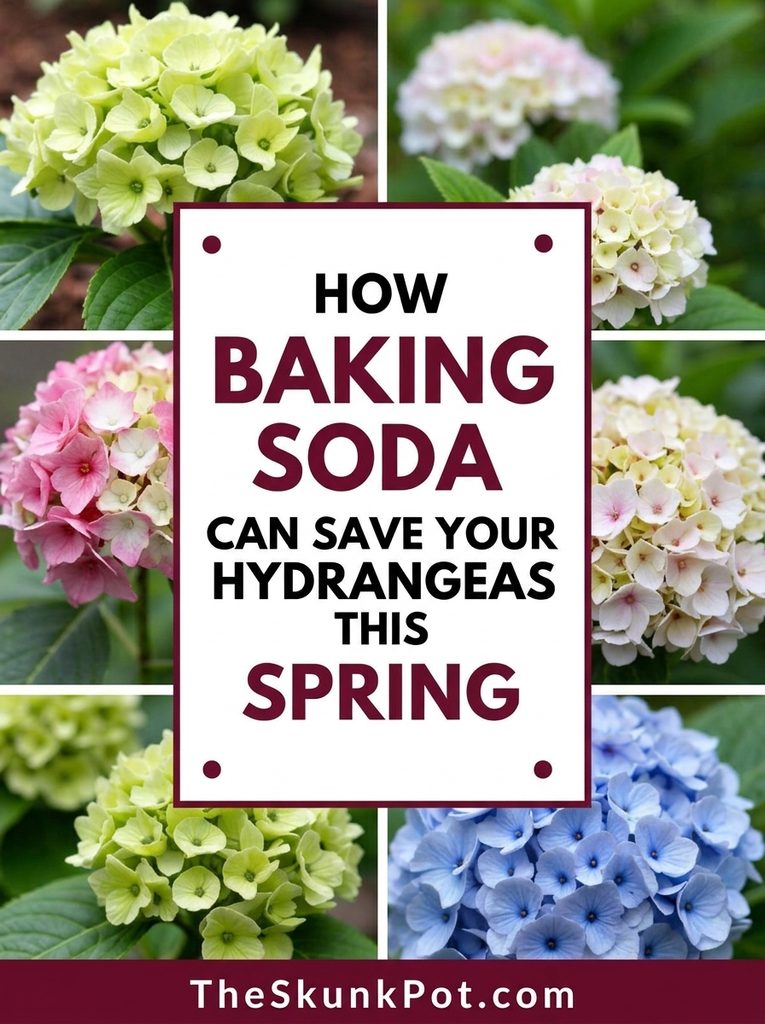
- Bigleaf hydrangeas (Hydrangea macrophylla): Many varieties can produce pink, blue, or purple flowers depending on soil conditions and aluminum availability.
- Mountain hydrangeas (Hydrangea serrata): Certain varieties can also change between pink and blue shades.
- Panicle hydrangeas (Hydrangea paniculata): These typically produce white or cream flowers that may develop pink shades as they mature. Soil pH does not control this color development in the same way.
- Smooth hydrangeas (Hydrangea arborescens): Most varieties produce white or greenish flowers and do not respond to soil pH in the same way as bigleaf hydrangeas.
- Oakleaf hydrangeas (Hydrangea quercifolia): Their flowers generally change naturally as they mature rather than responding to soil pH adjustments.
If your goal is to grow blue or pink flowers, start by identifying your variety.
Even within color-changing varieties, some cultivars do not respond strongly to soil adjustments.
Frequently Asked Questions
Can I sprinkle baking soda around my hydrangeas?
It is not recommended. Baking soda is not a proven hydrangea fertilizer or reliable soil amendment. Repeated applications can introduce sodium into the soil and potentially harm plant health.
How much baking soda should I put in water for hydrangeas?
There is no established safe or effective baking soda-to-water ratio for improving hydrangea growth or changing flower colors. It is better to avoid homemade baking soda treatments and use products specifically designed for the intended gardening purpose.
Will baking soda turn blue hydrangeas pink?
Baking soda is alkaline, but it does not reliably change hydrangea flower colors. For suitable bigleaf hydrangeas, garden lime is a more appropriate option for raising soil pH and encouraging pink blooms.
Does baking soda make hydrangeas bloom more?
There is no reliable evidence that baking soda increases the number of hydrangea flowers. Proper sunlight, watering, pruning, and appropriate fertilization are more important.
Can baking soda kill hydrangeas?
A small accidental exposure does not necessarily mean a hydrangea will die. However, repeated or excessive applications can contribute unwanted sodium and salt buildup, potentially damaging roots and affecting plant growth.
If you have already applied baking soda, avoid adding more. Water the surrounding soil normally, provided it drains well, and monitor the plant for signs of stress.
What is the best homemade fertilizer for hydrangeas?
Well-aged compost is a useful organic soil amendment. It improves soil structure and contributes nutrients gradually. Apply it around the root zone without piling it against the stems.
Remember that compost is a soil amendment rather than a complete replacement for every fertilizer requirement.
Final Thoughts
Baking soda may be useful for certain household and gardening applications, but it is not a recommended treatment for hydrangeas.
Despite popular gardening claims, it does not reliably change flower colors, produce bigger blooms, or improve overall plant growth.
If you want beautiful pink or blue hydrangeas, focus on understanding your plant variety and maintaining the right soil conditions. Use garden lime or sulfur when soil testing indicates an appropriate adjustment is needed, and provide consistent watering, suitable sunlight, and proper pruning.
Sometimes the best gardening results come from avoiding quick fixes and giving plants the conditions they naturally need to thrive.
