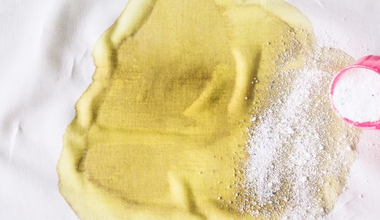
Oil stains have a way of appearing at the worst possible time. You might be cooking dinner, enjoying a meal, working in the garage, or simply getting dressed when a small drop of oil lands on your favorite shirt.
At first, the mark may look harmless, but once the oil spreads into the fabric, it can leave a dark, greasy spot that regular washing doesn’t always remove.
The good news is that many oil stains can be removed at home with simple products you probably already have. Liquid dish soap, laundry detergent, and a few basic laundry techniques can help break down grease and lift it from washable fabrics.
The trick is to treat the stain before washing and, most importantly, avoid putting the garment in the dryer until you’re sure the mark is gone.
Whether you’re dealing with cooking oil on a cotton shirt, grease on your jeans, or an old oil stain you discovered after laundry day, here are practical ways to get oil stains out of clothes.
Why Are Oil Stains So Difficult to Remove?
Oil stains can be stubborn because oil does not mix easily with water. When cooking oil, butter, body oils, or grease come into contact with clothing, they can cling to the fibers and leave a dark, sometimes translucent mark.
Simply putting an oily garment in the washing machine may not be enough to remove the stain, particularly if the oil has already soaked into the material.
This is why pretreating is so important. Products designed to break down grease, such as liquid dishwashing detergent and laundry stain removers, can help loosen the oil before the regular wash cycle.
The longer you leave an oil stain untreated, the harder it may become to remove. However, an old stain isn’t necessarily permanent. With the right treatment and a little patience, you may still be able to improve or remove it.
What You Need to Remove Oil Stains From Clothes
Before starting, gather a few basic supplies:
- Liquid dishwashing soap
- Liquid laundry detergent
- Baking soda or cornstarch
- A clean white cloth or paper towels
- A soft toothbrush or small cleaning brush
- A dull butter knife or spoon
- A small bowl of water
- A piece of cardboard or an old towel
You won’t need everything for every stain. Dish soap and laundry detergent are usually the most useful starting points for ordinary cooking oil and food grease.
Before applying any cleaning product, check the garment’s care label. Some fabrics cannot tolerate ordinary washing, strong detergents, or certain water temperatures.

7 Easy Ways to Get Oil Stains Out of Clothes
1. Use Dish Soap to Break Down Fresh Oil Stains
Liquid dish soap is one of the easiest household products to try when you spill cooking oil on clothing.
Dishwashing liquids are designed to cut through grease on plates, pans, and kitchen utensils, making them a useful first treatment for many washable fabrics.
What you need:
- Clear liquid dish soap
- A clean cloth
- Water
- Paper towels
How to do it:
- Remove the garment and lay it flat on a clean surface.
- Place a piece of cardboard or a folded paper towel underneath the stained area to prevent oil from transferring to the other side.
- Use a clean paper towel to gently blot away any excess oil.
- Apply a small amount of liquid dish soap directly to the stain.
- Gently work the soap into the fabric with your fingertips.
- Allow it to sit for about 10 minutes.
- Rinse the treated area thoroughly, following the fabric’s care requirements.
- Wash the garment using the warmest water permitted by its care label.
For sturdy cotton shirts and jeans, you can gently use a soft toothbrush to work the soap into the fibers. Avoid aggressive scrubbing, especially on thin or delicate materials.
After washing, inspect the stain before drying. If you can still see it, repeat the treatment.
Why this method helps: Dish soap can help loosen greasy residue so it can be removed during rinsing and washing.
2. Use Baking Soda to Absorb Excess Oil
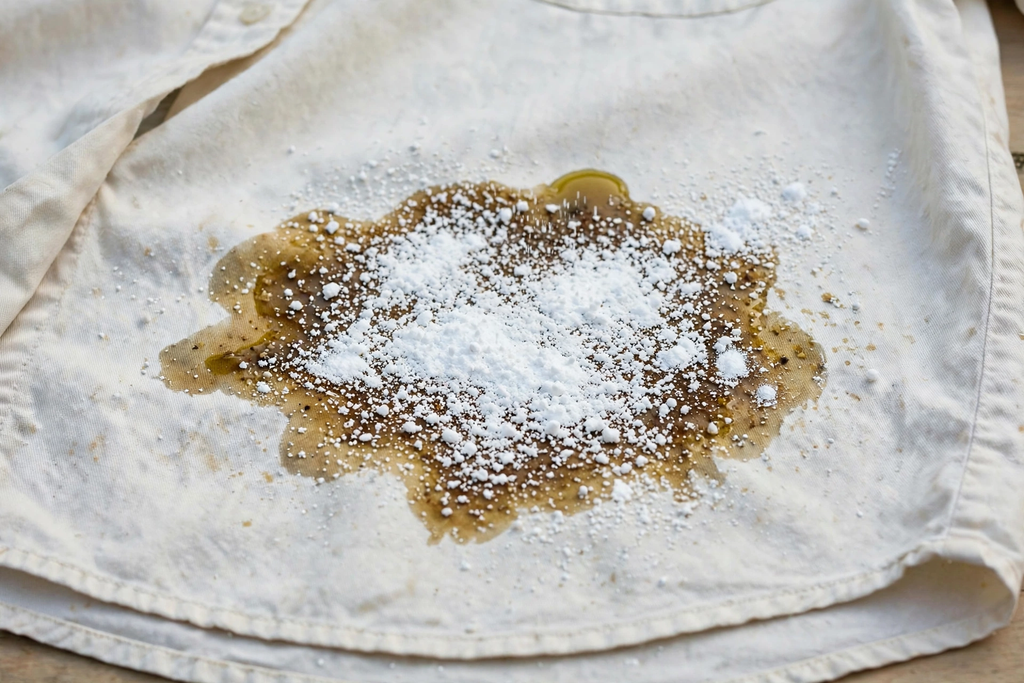
Baking soda is a useful household cleaning ingredient that can help absorb some surface oil before you wash a garment.
It is especially worth trying when you have just spilled a noticeable amount of cooking oil.
What you need:
- Baking soda
- A soft brush or old toothbrush
- Liquid dish soap or laundry detergent
How to do it:
- Lay the stained clothing on a flat surface.
- Blot away as much excess oil as possible using a paper towel.
- Sprinkle a generous layer of baking soda over the affected area.
- Leave it for approximately 15 to 30 minutes.
- Gently brush away the powder.
- If the powder has absorbed some of the oil, apply a small amount of liquid dish soap to the remaining mark.
- Let the soap sit for about 10 minutes.
- Rinse thoroughly and wash according to the care label.
If the stain is particularly oily, you may need to repeat the powder treatment before washing.
A helpful tip: Cornstarch can also be used as an absorbent powder. Both options are most useful for dealing with excess oil before it spreads further into the fabric.
Baking soda is not a substitute for proper washing, so follow it with a suitable detergent treatment.
3. Apply Liquid Laundry Detergent Directly to the Stain
If you don’t have dish soap available, liquid laundry detergent is another practical option.
Many laundry detergents are formulated to remove oily soils, food stains, and everyday dirt. Applying a little directly to the stain before washing gives the cleaning ingredients more time to work on the affected area.

What you need:
- Liquid laundry detergent
- A small amount of water
- A soft cloth
How to do it:
- Remove excess oil by gently blotting the stain.
- Place a clean towel or cardboard underneath the affected section.
- Apply a small amount of liquid laundry detergent directly to the oil stain.
- Gently massage it into the fabric with your fingertips.
- Leave it for approximately 10 to 15 minutes, or follow the product instructions.
- Wash the garment using the warmest water allowed by the care label.
- Check the stain before placing the clothing in the dryer.
For stubborn marks, you may need a second pretreatment.
This method is particularly convenient because you can use the same detergent for pretreating and washing the garment.
4. Try a Commercial Prewash Stain Remover
Sometimes an oil stain needs more than ordinary laundry detergent, especially if it has been sitting on the fabric for several hours or has survived a previous wash.
A commercial prewash stain remover can be helpful in these situations. Look for a product labeled for grease or oily stains, and follow the directions on its packaging.
What you need:
- A laundry stain remover suitable for the fabric
- A clean cloth
- Laundry detergent
How to do it:
- Check the product label to make sure it is suitable for your clothing.
- Test it on a hidden area of the garment if colorfastness is uncertain.
- Apply the stain remover directly to the affected area.
- Allow it to work for the time stated on the product label.
- Wash the clothing according to its care instructions.
- Inspect the fabric while it is still wet.
If the stain remains, repeat the process before drying.
This is a useful option for larger stains, stubborn cooking grease, and oily marks that have not responded to your first treatment.
5. Soak Clothes With Stubborn Oil Stains
For an older or particularly stubborn oil stain, pretreating followed by soaking may give the cleaning product more time to loosen the grease.
This method works best for washable fabrics that can safely be soaked.
What you need:
- Liquid dish soap or laundry detergent
- A basin or bucket
- Lukewarm or warm water, if allowed by the garment label
How to do it:
- Blot away any remaining surface oil.
- Apply a small amount of liquid dish soap or laundry detergent to the stain.
- Gently work the product into the affected area.
- Allow it to sit for approximately 10 minutes.
- Fill a clean basin with water at a temperature suitable for the fabric.
- Submerge the garment and leave it to soak for about 30 minutes.
- Remove the clothing and check the stained area.
- Wash it with your usual laundry detergent.
For very old stains, a longer treatment or another round of pretreating may be necessary, provided the fabric’s care instructions allow it.
Do not use hot water automatically. Always follow the garment’s care label, particularly when dealing with synthetic fabrics, colored clothing, or delicate materials.
6. Use a Grease-Fighting Laundry Detergent for Jeans and Work Clothes
Jeans, uniforms, kitchen clothing, and workwear can collect oil and grease from everyday activities.
If you regularly deal with these stains, a good-quality liquid laundry detergent formulated for greasy soils can make laundry easier.
How to use it:
- Remove excess grease with a paper towel.
- Apply liquid detergent directly to the stain.
- Gently rub the affected area with your fingertips.
- Allow the detergent to sit according to the product instructions.
- Wash the garment using the warmest water permitted by the care label.
- Check the fabric before drying.
For heavy grease marks on sturdy denim or workwear, a soft brush can help distribute the detergent through the fabric.
Avoid using the same aggressive treatment on delicate clothing. Even durable-looking materials can lose color or become damaged through excessive scrubbing.
7. Repeat the Treatment for Oil Stains That Have Already Been Washed
Have you ever washed a shirt, taken it out of the machine, and noticed that the oil stain is still there?
It happens more often than you might think.
Washing alone does not always remove oil, particularly if the garment wasn’t pretreated. If the clothing has not been tumble-dried, you may have a good chance of removing the remaining stain with another treatment.
How to do it:
- Lay the garment flat and inspect the stained area.
- Apply liquid dish soap or a grease-targeting laundry stain remover.
- Gently work the product into the fabric.
- Allow it to sit for approximately 10 to 15 minutes, or follow the product instructions.
- Rinse thoroughly.
- Wash again using suitable laundry detergent.
- Check the stain before drying.
If the garment has already been tumble-dried, the stain may be more difficult to remove because heat can make it harder to lift. However, it is still worth trying a suitable pretreatment on washable fabric.
You may need to repeat the process rather than expecting one wash to remove everything.
How to Remove Different Types of Oil Stains From Clothes
Not every oil stain comes from cooking. Different sources of grease may require slightly different approaches.
How to Get Cooking Oil Out of Clothes
Cooking oil from vegetable oil, olive oil, sunflower oil, and other kitchen oils can leave dark marks on clothing.
Start by blotting the excess oil with a paper towel. Apply a little dish soap to the stain, allow it to sit for about 10 minutes, and rinse thoroughly.
Wash the garment according to its care label and check the stain before drying.
For a larger spill, use baking soda or cornstarch to absorb some of the surface oil before applying the dish soap.
How to Get Butter and Grease Stains Out of Clothes
Butter, margarine, and other greasy foods can leave oily marks even after the solid food has been removed.
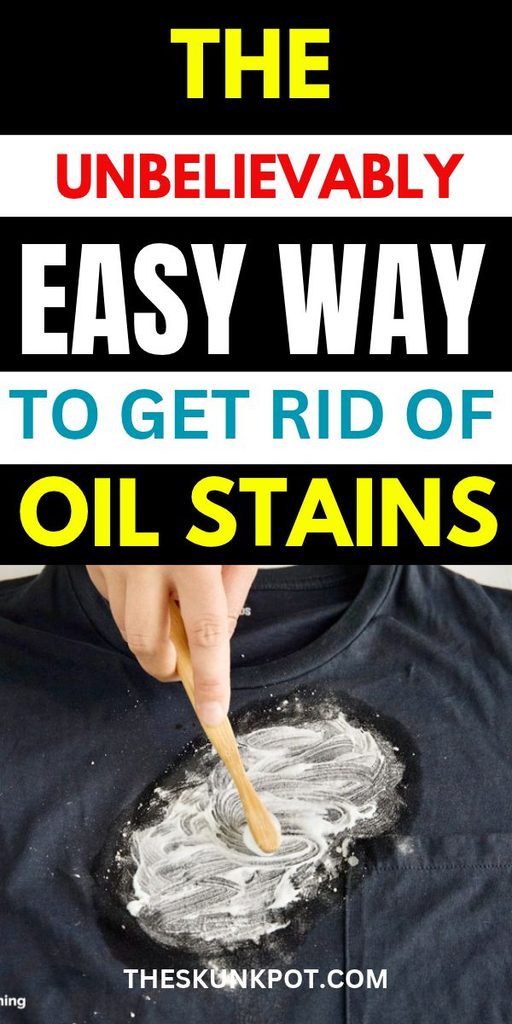
Use a spoon or dull knife to lift away any excess food without spreading it. Apply liquid laundry detergent or a suitable prewash stain remover to the greasy area.
Wash using the warmest water allowed by the fabric label. Repeat the treatment if necessary.
How to Get Motor Oil Out of Clothes
Motor oil can be more difficult to remove than ordinary cooking oil because it may contain additional contaminants from machinery and vehicle parts.
For washable work clothes, first remove excess oil with paper towels. Apply a laundry product specifically labeled for grease stains and follow its directions carefully.
You may need more than one treatment.
Avoid using gasoline, petrol, paint thinner, or other flammable workshop solvents as home laundry remedies. These products can create serious fire and health hazards. For heavily contaminated clothing, follow the garment and product safety instructions or seek professional cleaning advice.
How to Remove Body Oil Stains From Clothing
Body oils can gradually build up around shirt collars, necklines, cuffs, and underarms.
Pretreat these areas with liquid laundry detergent or a suitable prewash stain remover before washing.
If the clothing is white and the care label permits it, a fabric-safe oxygen bleach product may help with remaining discoloration. Follow the manufacturer’s directions and never mix cleaning products.
How to Get Oil Stains Out of Different Fabrics
The cleaning method that works for a cotton shirt may not be suitable for silk or wool. Always check the care label before applying a treatment.
Cotton
Cotton is generally suitable for pretreating with liquid dish soap or laundry detergent.
Gently work the product into the stain, rinse, and wash using the warmest temperature allowed by the label.
Denim
Jeans are usually sturdy enough for gentle brushing with a soft toothbrush.
Apply dish soap or liquid detergent to the grease stain, allow it to sit briefly, and wash according to the care instructions. Avoid aggressive scrubbing that could fade the denim.
Polyester
Oil can cling to synthetic fibers, so pretreating is particularly important.
Use a stain remover or liquid detergent labeled as suitable for the fabric. Follow the garment’s temperature restrictions and check the stain before drying.
White Clothes
Treat white clothing using the same grease-removal process as other washable fabrics.
If a faint mark remains, a fabric-safe oxygen bleach may be an option if the garment label allows it. Follow the product instructions and test where appropriate.
Do not assume chlorine bleach will remove an oil stain. It is not the first treatment to use for grease.
Silk and Wool
Silk and wool require more careful handling because harsh detergents, vigorous rubbing, and unsuitable water temperatures can damage the fibers.
Avoid applying ordinary dish soap or scrubbing these fabrics without checking the manufacturer’s care instructions. Use a cleaning product specifically intended for the material or take the garment to a professional cleaner.
Dry-Clean-Only Clothing
If the care label says dry-clean only, do not soak the garment or experiment with household stain treatments.
Gently blot away excess oil without rubbing, then take the item to a professional cleaner. Explain what caused the stain and how long it has been there.
Common Mistakes to Avoid When Removing Oil Stains
Even a good cleaning method can fail if you accidentally make the stain worse. Avoid these common laundry mistakes.
1. Rubbing the stain aggressively
Scrubbing too hard can spread the oil and damage fabric fibers. Blot first, then gently work the cleaning product into the affected area.
2. Putting the clothing straight into the dryer
This is one of the biggest mistakes. Heat can make a remaining stain more difficult to remove. Always inspect the garment before tumble-drying it.
3. Using too much dish soap
A large amount of dish soap can be difficult to rinse out and may create excessive suds in the washing machine. Use a small amount for pretreatment and rinse it thoroughly before machine washing.
4. Ignoring the clothing care label
Not all fabrics tolerate the same cleaning products or water temperatures. Check the label before starting.
5. Mixing different cleaning products
Never mix chlorine bleach with ammonia, vinegar, or other household cleaners. Combining products can release dangerous fumes or cause harmful reactions. Use one suitable product at a time and follow its instructions.
6. Assuming one wash will remove an old stain
Some oil marks need repeated pretreatment. If the stain remains, treat it again instead of drying the garment and hoping it disappears.
How to Prevent Oil Stains on Clothes
Removing stains is useful, but avoiding them in the first place can save you plenty of time.
Here are a few simple habits that help:
- Wear an apron when frying, cooking, or preparing greasy foods.
- Keep kitchen towels nearby when working with cooking oil.
- Avoid wiping oily hands on your clothing.
- Treat oil splashes as soon as you notice them.
- Keep work clothes separate when handling machinery, vehicle parts, or lubricants.
- Check collars, cuffs, and the front of shirts for greasy marks before washing.
- Inspect freshly washed clothes before putting them in the dryer.
If you cook regularly, keeping a small bottle of dish soap and a few clean cloths in your laundry area can make it easier to deal with unexpected oil stains.
Frequently Asked Questions
What is the fastest way to get oil stains out of clothes?
For many fresh oil stains on washable clothing, blot away excess oil, apply a small amount of liquid dish soap, and let it sit for about 10 minutes. Rinse thoroughly and wash according to the garment’s care label. Check the stain before drying.
Does dish soap really remove oil stains from clothes?
Dish soap can help loosen cooking oil and grease from washable fabrics because it is formulated to cut through greasy residue. Apply a small amount, work it in gently, rinse thoroughly, and follow with a normal laundry wash.
Can baking soda remove oil stains from clothes?
Baking soda can help absorb some surface oil when applied soon after a spill. Sprinkle it over the stain, leave it for approximately 15 to 30 minutes, and brush it away before pretreating with dish soap or laundry detergent. It may not remove the entire stain by itself.
How do you get old oil stains out of clothes?
Apply liquid dish soap or a grease-targeting laundry stain remover to the affected area. Allow it to sit according to the product instructions, then rinse and wash using the warmest water permitted by the garment label. Repeat if necessary before drying.
Can oil stains come out after washing and drying?
Sometimes. Tumble-dryer heat can make oil stains harder to remove, but it does not mean every stained garment is ruined. Try pretreating the mark with a suitable grease stain remover or liquid detergent and washing again. Results depend on the fabric, oil, and how much heat the garment received.
Should you use hot or cold water to remove oil stains?
Follow the garment’s care label. For oil and grease, the warmest water permitted by the fabric is often recommended because it can help loosen greasy residue. However, some materials can shrink, fade, or become damaged in hot water.
Does vinegar remove oil stains from clothes?
White vinegar is not the best first choice for ordinary oil stains. A grease-targeting pretreatment, such as liquid dish soap or laundry detergent, is generally a more practical starting point. Avoid mixing vinegar with bleach or other cleaning products.
Can you remove oil stains from colored clothes?
Yes, many oil stains can be treated on colored washable clothing. Use a suitable dish soap or laundry stain remover, test products on a hidden area if necessary, and follow the care label. Avoid bleach products that could remove the fabric’s color.
Why do oil stains remain after washing?
Oil may remain because the stain was not pretreated, the detergent was not suitable for greasy soils, or the washing conditions were not appropriate for the fabric. Apply another suitable pretreatment and wash again before drying.
Final Thoughts
Oil stains can be frustrating, especially when they appear on a favorite shirt, a new pair of jeans, or clothing you have just washed. Fortunately, many ordinary cooking oil and grease stains can be treated with simple household products.
Start by blotting away excess oil, then use a small amount of dish soap or liquid laundry detergent to loosen the greasy residue. For heavier fresh spills, baking soda or cornstarch can help absorb some of the surface oil before washing.
The most important thing is to check the garment before putting it in the dryer. If the stain is still visible, repeat the treatment while you still have a chance to remove more of it.
With a little patience and the right approach, you may be able to rescue clothes that would otherwise end up at the back of your wardrobe.